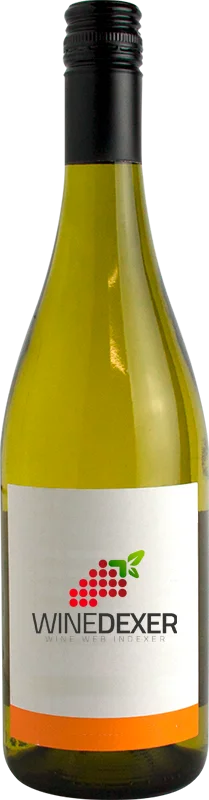
Winery IndigenoGas Bianco
 White wine


This wine generally goes well with pork, beef or lamb.
The Gas Bianco of the Winery Indigeno is in the top 90 of wines of Vino da Tavola.
Wine flavors and olphactive analysis


On the nose the Gas Bianco of Winery Indigeno in the region of Vino da Tavola often reveals types of flavors of earth, microbio or tree fruit and sometimes also flavors of citrus fruit, tropical fruit.
Food and wine pairings with Gas Bianco
Pairings that work perfectly with Gas Bianco



Original food and wine pairings with Gas Bianco

The Gas Bianco of Winery Indigeno matches generally quite well with dishes of beef, lamb or pork such as recipes of navarin of the sea da gigi, irish stew or white cabbage with bacon.
Details and technical informations about Winery Indigeno's Gas Bianco.
Discover the grape variety: Barras
It most certainly originates from the Tarn region, a variety that has completely disappeared from the vineyard and is therefore on the way out. It was very difficult to find documentation concerning it, especially since there is a slight confusion with malpé. D.N.A. analyses processed by a specific software (U.M.R.-A.G.A.P. Montpellier) indicate that malpé is the result of a cross between cahours and fer.
Last vintages of this wine
The best vintages of Gas Bianco from Winery Indigeno are 2017, 0
Informations about the Winery Indigeno
The Winery Indigeno is one of of the world's greatest estates. It offers 19 wines for sale in the of Vino da Tavola to come and discover on site or to buy online.

The wine region of Vino da Tavola
Vino da Tavola was the most basic classification of Italian wines. It is now renamed simply "Vino" and appears on labels as Vino d'Italia. The original name literally means "table wine" as opposed to premium wines from specific geographical locations (see EU wine label). In May 2011, the first legal steps were taken to abolish the Vino da Tavola category, in favor of a New classification of wines called simply Vino.
The word of the wine: Color
The colour of wines is characterized by its intensity and its nuances of hue. The intensity is specific to each grape variety, while the nuances of colour are linked to the evolution of the wine over time.