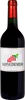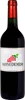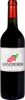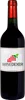
Winery António SaramagoSuperior
 Red wine


In the mouth this red wine is a powerful with a nice balance between acidity and tannins.
This wine generally goes well with poultry, beef or veal.
Taste structure of the Superior from the Winery António Saramago
Light | Bold | |
Smooth | Tannic | |
Dry | Sweet | |
Soft | Acidic |
In the mouth the Superior of Winery António Saramago in the region of Península de Setúbal is a powerful with a nice balance between acidity and tannins.
Food and wine pairings with Superior
Pairings that work perfectly with Superior



Original food and wine pairings with Superior

The Superior of Winery António Saramago matches generally quite well with dishes of beef, pasta or veal such as recipes of pork shoulder with mustard, pasta with mussels or veal paupiettes with mushrooms.
Details and technical informations about Winery António Saramago's Superior.
Discover the grape variety: Negro Aramo
Its country of origin is Greece - it is related to the Greek xynomavro grape variety - and it has been cultivated for a long time in southern Italy, particularly in the southern region of Puglia, although it is known throughout the country. It should not be confused with aglianico, with which it has some synonyms. It should be noted that there is an early Negro Aramo clone. We can also meet the Negro Aramo in England, Australia, New Zealand, the United States (California, ...), ... in France it is almost unknown.
Last vintages of this wine
The best vintages of Superior from Winery António Saramago are 2013, 2010, 0
Informations about the Winery António Saramago
The Winery António Saramago is one of of the world's greatest estates. It offers 21 wines for sale in the of Península de Setúbal to come and discover on site or to buy online.

The wine region of Península de Setúbal
Setúbal Peninsula (also known as Península de Setúbal) is the Portuguese wine region immediately southeast of Lisbon, across the Tejo estuary. The Terroir in the area ranges from sandy coastal plains to the craggy, limestone-rich Serra Arribida hills. The area is known for its Dry red wines made from Castelão, and for its fortified wines and Sweet Moscatel de Setúbal. The wines produced here are made under three titles: two DOCs, Palmela and Setúbal, and one IGP.
The word of the wine: Beurré
Typical aroma of white wines aged in oak barrels and wines that have undergone malolactic fermentation.