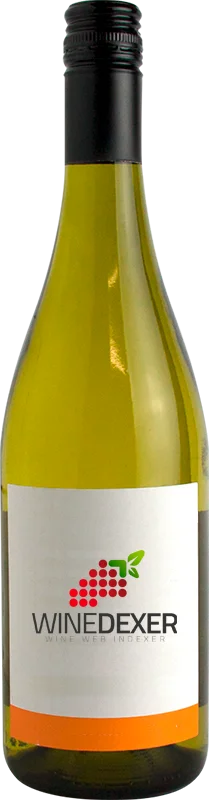
Winery Hubert KrickTerroirs Pinot Gris
 White wine


In the mouth this white wine is a .
This wine generally goes well with pork, cured meat or mushrooms.

Taste structure of the Terroirs Pinot Gris from the Winery Hubert Krick
Light | Bold | |
Dry | Sweet | |
Soft | Acidic |
In the mouth the Terroirs Pinot Gris of Winery Hubert Krick in the region of Alsace is a .
Food and wine pairings with Terroirs Pinot Gris
Pairings that work perfectly with Terroirs Pinot Gris



Original food and wine pairings with Terroirs Pinot Gris

The Terroirs Pinot Gris of Winery Hubert Krick matches generally quite well with dishes of pork, spicy food or mushrooms such as recipes of pork colombo, pork chops with curry and honey or shrimp risotto with curry.
Details and technical informations about Winery Hubert Krick's Terroirs Pinot Gris.
Discover the grape variety: Pinot gris
Rich, ample whites with a golden robe, showing aromas of pear, quince, honey, smoke, ginger and spice. Made as structured dry wines (Alsace AOC), off-dry and sumptuous late-harvest sweet (vendange tardive, sélection de grains nobles). Lighter and crisper in Italy as Pinot Grigio (Veneto, Friuli). Also in Germany (Grauburgunder), Hungary (Szürkebarát) and Oregon. A grey mutation of Pinot Noir.
Informations about the Winery Hubert Krick
The Winery Hubert Krick is one of of the world's greatest estates. It offers 41 wines for sale in the of Alsace to come and discover on site or to buy online.

The wine region of Alsace
Capital of great French aromatic whites, most often dry and single-varietal. Straight, mineral Riesling (lemon, gunflint), opulent, exuberant Gewurztraminer (lychee, rose, spices), round, smoky Pinot Gris, floral, crisp Muscat, supple Pinot Blanc. Fine, fruity Crémants d'Alsace, exceptional sweet Vendanges Tardives and Sélection de Grains Nobles. 15,500 ha at the foot of the Vosges on varied soils, 51 Grands Crus since 1975.
The word of the wine: Bleeding
Old practice for red wines. As soon as the vat is filled with grapes, the tap is opened. A sweet but clear juice escapes from the vat (it can also be used to make rosé). The colour and density of the juice is enhanced, but it should not be overdone. Rarely more than 10% of the volume of a vat, otherwise you risk losing fruit and bringing in bitterness.