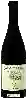
Chateau des HospicesCastell des Templers Mas Reig
 Red wine
This wine generally goes well with beef, veal or pasta.

Food and wine pairings with Castell des Templers Mas Reig
Pairings that work perfectly with Castell des Templers Mas Reig



Original food and wine pairings with Castell des Templers Mas Reig
The Castell des Templers Mas Reig of Chateau des Hospices matches generally quite well with dishes of beef, pasta or veal such as recipes of cicadas at the chib, pasta with tuna or sliced endives with ham.
Details and technical informations about Chateau des Hospices's Castell des Templers Mas Reig.
Discover the grape variety: Plavac mali
Powerful and alcoholic reds with an inky colour, firm tannins and a dense palate, on intense aromas of blackberry, candied plum, fig, Mediterranean garrigue (bay, rosemary), spices and balsamic notes. Excellent ageing potential. Star of the Dalmatian appellations Dingač and Postup on the vertiginous slopes of the Pelješac peninsula, also in Hvar and Brač. Native Croatian variety, a natural offspring of Crljenak Kaštelanski (ancestor of Zinfandel) × Dobričić.
Informations about the Chateau des Hospices
The Chateau des Hospices is one of of the world's great estates. It offers 32 wines for sale in the of Languedoc-Roussillon to come and discover on site or to buy online.

The wine region of Languedoc-Roussillon
Largest single French vineyard, dominated by sunny, generous reds. Spicy Syrah, candied Grenache (ripe fruit, garrigue), structured Carignan, deep Mourvèdre, supple Cinsault. Stars: structured Corbières, Minervois, Faugères, Saint-Chinian; round Côtes-du-Roussillon. Legendary vins doux naturels: Banyuls and Maury (fortified Grenache) with notes of cocoa, fig, prune.
The word of the wine: Maturing (champagne)
After riddling, the bottles are stored on "point", upside down, with the neck of one bottle in the bottom of the other. The duration of this maturation is very important: in contact with the dead yeasts, the wine takes on subtle aromas and gains in roundness and fatness. A brut without year must remain at least 15 months in the cellar after bottling, a vintage 36 months.