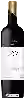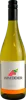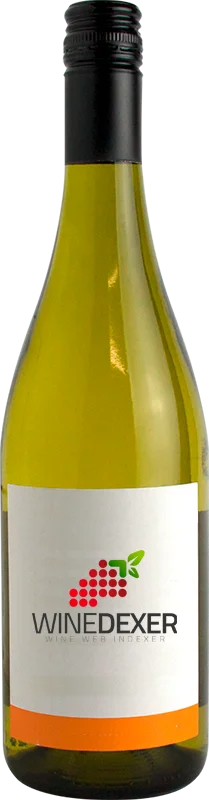
Winery HobbsTin Lids Viognier
 Sweet wine


This wine generally goes well with pork, poultry or rich fish (salmon, tuna etc).

Wine flavors and olphactive analysis

On the nose the Tin Lids Viognier of Winery Hobbs in the region of Australie du Sud often reveals types of flavors of tree fruit.
Food and wine pairings with Tin Lids Viognier
Pairings that work perfectly with Tin Lids Viognier



Original food and wine pairings with Tin Lids Viognier

The Tin Lids Viognier of Winery Hobbs matches generally quite well with dishes of pork, rich fish (salmon, tuna etc) or spicy food such as recipes of croque madame, salmon pave en papillotte or traditional tagine (morocco).
Details and technical informations about Winery Hobbs's Tin Lids Viognier.
Discover the grape variety: Viognier
Opulent, heady whites, rich and silky, with intense aromas of apricot, yellow peach, mango, violet, honeysuckle and musky, honeyed notes. Discreet acidity, creamy finish. Star of Condrieu AOC and Château-Grillet AOC, co-vinified in Côte-Rôtie with Syrah (up to 20%). Widely exported to California (Central Coast), Australia (Eden Valley) and Languedoc. A Rhône variety.
Last vintages of this wine
The best vintages of Tin Lids Viognier from Winery Hobbs are 0
Informations about the Winery Hobbs
The Winery Hobbs is one of of the world's greatest estates. It offers 16 wines for sale in the of Barossa to come and discover on site or to buy online.

The wine region of Barossa
World icon of Australian Shiraz (~50% of plantings). Powerful, sun-filled reds with signature notes of candied blackberry, black plum, dark chocolate, liquorice, leather and sweet spices (pepper, clove), round tannins and generous opulence. Old vines among the world's oldest (Shiraz from 1843, Turkey Flat). Also fruity, sun-filled Grenache, firm Mataro (Mourvèdre), dense Cabernet Sauvignon and ample Sémillon.
The wine region of Australie du Sud
Cradle of the great Australian Shiraz: powerful, sun-drenched reds with notes of blackberry, candied plum, pepper, chocolate and eucalyptus, ample tannins and vibrant fruit (Barossa, McLaren Vale). Firm, minty Cabernet Sauvignon on Coonawarra (terra rossa). Dry, lemony Riesling from Clare and Eden Valley, straight and taut. Fresh Sauvignon and Chardonnay from Adelaide Hills.
The word of the wine: Maturing (champagne)
After riddling, the bottles are stored on "point", upside down, with the neck of one bottle in the bottom of the other. The duration of this maturation is very important: in contact with the dead yeasts, the wine takes on subtle aromas and gains in roundness and fatness. A brut without year must remain at least 15 months in the cellar after bottling, a vintage 36 months.