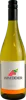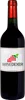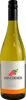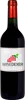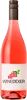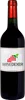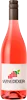
Winery HirschRosé Saignée
 Pink wine


This wine is a blend of 2 varietals which are the Cabernet-Sauvignon and the Pinot noir.
This wine generally goes well with pork, poultry or beef.

Food and wine pairings with Rosé Saignée
Pairings that work perfectly with Rosé Saignée



Original food and wine pairings with Rosé Saignée



The Rosé Saignée of Winery Hirsch matches generally quite well with dishes of beef, lamb or veal such as recipes of pasticcio (greece), pasta with merguez or aiguillette of duck with honey.
Details and technical informations about Winery Hirsch's Rosé Saignée.
Discover the grape variety: Cabernet-Sauvignon
Structured, tannic reds, deeply coloured, with aromas of blackcurrant, blackberry, cedar, tobacco and graphite, underpinned by firm acidity and fine ageing potential. Cornerstone of the great Médoc estates (Pauillac, Saint-Estèphe, Saint-Julien) and signature of Napa Valley, Coonawarra and Maipo. The world's most planted red variety, a natural cross of Cabernet Franc x Sauvignon Blanc born in Bordeaux.
Last vintages of this wine
The best vintages of Rosé Saignée from Winery Hirsch are 2018, 0
Informations about the Winery Hirsch
The Winery Hirsch is one of of the world's greatest estates. It offers 51 wines for sale in the of Württemberg to come and discover on site or to buy online.

The wine region of Württemberg
Rare predominantly red region in Germany (nearly 70%). Supple, fruity everyday reds: light, crisp Trollinger (Schiava) with red fruits, more structured, spicy, deep Lemberger (Blaufränkisch), generous Schwarzriesling (Pinot Meunier). Riesling king of whites (>2,000 ha), lively and mineral, citrus and green apple. Germany's 4th region (11,500 ha) on the Neckar slopes around Heilbronn and Stuttgart.
The word of the wine: Presses
The juice that results from pressing the grapes after fermentation. At the end of the maceration, the vats are emptied, the first juice obtained is called the free-run wine and the marc remaining at the bottom of the vat is then pressed to give the press wine. We say more quickly "the presses". Their quality varies according to the vintage and the maceration. A too vigorous extraction releases the tannins of pips and the wine of press can then prove to be very astringent. Often the winemaker raises it separately, deciding later whether or not to incorporate it totally or partially into the grand vin.