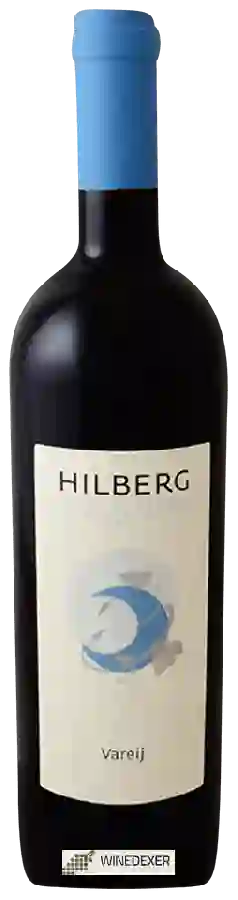
Winery Hilberg-PasqueroVareij
 Red wine


This wine generally goes well with pork, poultry or mild and soft cheese.

Wine flavors and olphactive analysis





On the nose the Vareij of Winery Hilberg-Pasquero in the region of Vino da Tavola often reveals types of flavors of non oak, earth or vegetal and sometimes also flavors of oak, spices or citrus fruit.
Food and wine pairings with Vareij
Pairings that work perfectly with Vareij


Original food and wine pairings with Vareij

The Vareij of Winery Hilberg-Pasquero matches generally quite well with dishes of pork, spicy food or poultry such as recipes of flamenkuche express, pork colombo or turkey osso bucco.
Details and technical informations about Winery Hilberg-Pasquero's Vareij.
Discover the grape variety: Ugni blanc
Dry, neutral and nervy whites with a pale robe, slender mouthfeel and sharp acidity, with discreet aromas of citrus, green apple, white flowers and herbaceous notes. The ideal profile for distillation: absolute pillar of Cognac AOC (over 95% of the Charentes vineyard) and Armagnac AOC. Also produced as still whites in Provence, Languedoc and Corsica. French synonym for Italian Trebbiano Toscano, one of the most planted varieties in the world.
Last vintages of this wine
The best vintages of Vareij from Winery Hilberg-Pasquero are 2010, 2008, 2017, 2013 and 0.
Informations about the Winery Hilberg-Pasquero
The Winery Hilberg-Pasquero is one of of the world's greatest estates. It offers 12 wines for sale in the of Vino da Tavola to come and discover on site or to buy online.

The wine region of Vino da Tavola
The freest category of Italian wine, with no grape or zone constraint. All styles: bold reds based on Bordeaux grapes (Cabernet, Merlot), atypical blends, maker's cuvées outside DOC rules. Historic cradle of the "Super Tuscans" in the 1960s-80s (Sassicaia, Tignanello, Ornellaia) before the creation of IGT in 1992. Today dedicated to everyday wines or winemaker experiments.
The word of the wine: Tertiary aromas
Aromas resulting from the aging of the wine in the bottle. The aromas evolve with time, from fresh fruitiness to notes of stewed, candied or dried fruit, to aromas of venison or undergrowth.