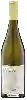
Winery Heinrich Vollmer50 HL Grauburgunder -E-
 White wine


In the mouth this white wine is a .
This wine generally goes well with pork, cured meat or mushrooms.

Taste structure of the 50 HL Grauburgunder -E- from the Winery Heinrich Vollmer
Light | Bold | |
Dry | Sweet | |
Soft | Acidic |
In the mouth the 50 HL Grauburgunder -E- of Winery Heinrich Vollmer in the region of Pfalz is a .
Food and wine pairings with 50 HL Grauburgunder -E-
Pairings that work perfectly with 50 HL Grauburgunder -E-


Original food and wine pairings with 50 HL Grauburgunder -E-

The 50 HL Grauburgunder -E- of Winery Heinrich Vollmer matches generally quite well with dishes of pork, spicy food or mushrooms such as recipes of stuffed tomatoes with thermomix, lamb kebab or sot- l- leaves.
Details and technical informations about Winery Heinrich Vollmer's 50 HL Grauburgunder -E-.
Discover the grape variety: Calitor blanc
Simple, light whites for drinking young with a pale golden colour, an airy palate with low acidity, and discreet aromas of white flowers, white-fleshed fruits and neutral notes. Productive and rustic, accessible easy-drinking profile. Almost extinct today, surviving in a few conservatory vineyards in Provence and Languedoc for its heritage value. White-berried mutation of Calitor noir, an ancient variety from south-eastern France and the Mediterranean rim.
Last vintages of this wine
The best vintages of 50 HL Grauburgunder -E- from Winery Heinrich Vollmer are 0
Informations about the Winery Heinrich Vollmer
The Winery Heinrich Vollmer is one of of the world's great estates. It offers 70 wines for sale in the of Pfalz to come and discover on site or to buy online.

The wine region of Pfalz
Fleshy, dry, fruity Riesling is the region's signature: yellow peach, apricot, ripe citrus, lovely mineral tension. Germany's largest red-wine area (40%), with silky Spätburgunder showing red fruit and spice, darker structured Dornfelder, supple Portugieser. Some rounded Pinot Blanc and Pinot Gris. A 23,640 ha vineyard along the Haardt, among Germany's warmest (>2,000 h of sun).
The word of the wine: Vintage
Year of production of a wine, it is usually indicated on the label.