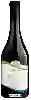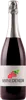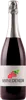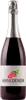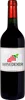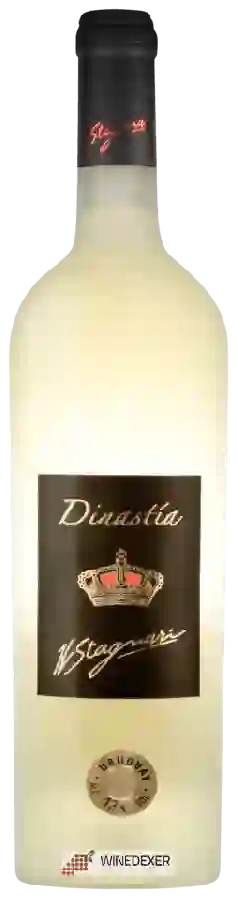
Winery H. StagnariDinastía Blanco
 White wine


This wine generally goes well with pork, vegetarian or poultry.
Food and wine pairings with Dinastía Blanco
Pairings that work perfectly with Dinastía Blanco



Original food and wine pairings with Dinastía Blanco

The Dinastía Blanco of Winery H. Stagnari matches generally quite well with dishes of pork, rich fish (salmon, tuna etc) or vegetarian such as recipes of savoyard crozet gratin, salmon steaks with lemon and shallot sauce or broccoli and blue cheese quiche without pastry.
Details and technical informations about Winery H. Stagnari's Dinastía Blanco.
Discover the grape variety: Chardonnay
The white Chardonnay is a grape variety that originated in France (Burgundy). It produces a variety of grape specially used for wine making. It is rare to find this grape to eat on our tables. This variety of grape is characterized by small bunches, and small grapes. White Chardonnay can be found in many vineyards: South West, Burgundy, Jura, Languedoc & Roussillon, Cognac, Bordeaux, Beaujolais, Savoie & Bugey, Loire Valley, Champagne, Rhone Valley, Armagnac, Lorraine, Alsace, Provence & Corsica.
Last vintages of this wine
The best vintages of Dinastía Blanco from Winery H. Stagnari are 2014, 0
Informations about the Winery H. Stagnari
The Winery H. Stagnari is one of of the world's great estates. It offers 48 wines for sale in the of Canelones to come and discover on site or to buy online.

The wine region of Canelones
The Canelones administrative department, Northeast of the Uruguayan capital of Montevideo, is home to the majority of Uruguay's Vineyards and accounts for aRound 60 percent of all wine produced in the country. It Lies in the South of the small South American country, where the majority of vines are planted, inland from the Atlantic coast and the Rio de la Plata estuary. The region itself covers a broad arc approximately 50km (30 miles) Deep, drawn clockwise from the northwestern outskirts of Montevideo round to the coastline east of the capital city. The eponymous administrative capital of the region lies 50km (31 miles) to the north of Montevideo.
The word of the wine: Wine library
Cellar in which are kept bottles that retrace the history of a domain, a vintage, an exceptional wine, etc., and which constitute a collection. It is also said of a place that offers a very wide choice of wines served by the glass. The oenotheques are more and more widespread in the living rooms opened to the public.