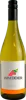
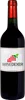
Domaine GuinandWhite Gorilla
 White wine



In the mouth this white wine is a .
This wine generally goes well with vegetarian, poultry or lean fish.

Taste structure of the White Gorilla from the Domaine Guinand
Light | Bold | |
Dry | Sweet | |
Soft | Acidic |
In the mouth the White Gorilla of Domaine Guinand in the region of Languedoc-Roussillon is a .
Food and wine pairings with White Gorilla
Pairings that work perfectly with White Gorilla



Original food and wine pairings with White Gorilla


The White Gorilla of Domaine Guinand matches generally quite well with dishes of pasta, vegetarian or poultry such as recipes of roast beef in a foie gras and chanterelle crust, summer tuna quiche or simple endive gratin with gruyere cheese.
Details and technical informations about Domaine Guinand's White Gorilla.
Discover the grape variety: Cascal
Structured reds with a deep ruby robe, moderate tannins and an ample palate, showing signature aromas of black fruits (blackberry, blackcurrant), spices and balsamic notes. Often blended with other Portuguese varieties. Contributes to the complexity of Douro DOC and Lisbon regional blends. Portuguese black grape grown mainly in the Douro and the Lisbon region, part of the identity of Portuguese reds.
Informations about the Domaine Guinand
The Domaine Guinand is one of of the world's great estates. It offers 19 wines for sale in the of Saint-Chinian to come and discover on site or to buy online.

The wine region of Saint-Chinian
Languedoc cru between Beziers and Saint-Pons, signature dual terroir. Fleshy Mediterranean reds with notes of black fruit (blackberry, black cherry), garrigue, pepper, liquorice and spice, firm tannins and a sun-drenched palate. Northern schists: fruitier, smokier profile. Southern clay-limestone: more structured wines.
The wine region of Languedoc-Roussillon
Largest single French vineyard, dominated by sunny, generous reds. Spicy Syrah, candied Grenache (ripe fruit, garrigue), structured Carignan, deep Mourvèdre, supple Cinsault. Stars: structured Corbières, Minervois, Faugères, Saint-Chinian; round Côtes-du-Roussillon. Legendary vins doux naturels: Banyuls and Maury (fortified Grenache) with notes of cocoa, fig, prune.
The word of the wine: Physiological maturity
The stage of ripeness of the grape berry when it has reached an optimal weight and when the sugar and acidity levels have stabilized.