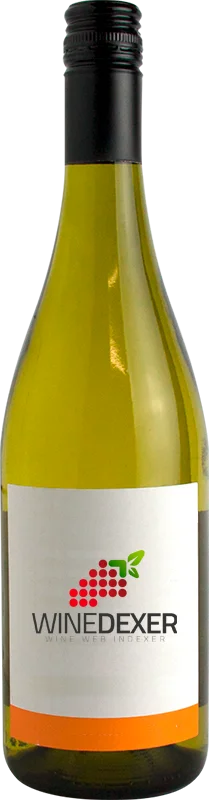
Winery Grof ButtlerEgri Csillag
 White wine


This wine generally goes well with rich fish (salmon, tuna etc) and shellfish.

Wine flavors and olphactive analysis



On the nose the Egri Csillag of Winery Grof Buttler in the region of Eger often reveals types of flavors of vegetal, citrus fruit.
Food and wine pairings with Egri Csillag
Pairings that work perfectly with Egri Csillag


Original food and wine pairings with Egri Csillag
The Egri Csillag of Winery Grof Buttler matches generally quite well with dishes of rich fish (salmon, tuna etc) or shellfish such as recipes of grilled mackerel with garlic and herbs or spaghetti with clams.
Details and technical informations about Winery Grof Buttler's Egri Csillag.
Discover the grape variety: Pinot blanc
Round, supple whites with a soft palate, showing discreet aromas of apple, pear, fresh almond, white flowers and brioche notes. Moderate acidity, light finish. Star of Crémant d'Alsace (fine, taut sparkling) and base of Edelzwicker. Grown in Germany (Weissburgunder, Baden-Württemberg), northern Italy (Pinot Bianco, Alto Adige), Austria and Luxembourg. A white mutation of Pinot Noir.
Last vintages of this wine
The best vintages of Egri Csillag from Winery Grof Buttler are 2014, 2017, 0
Informations about the Winery Grof Buttler
The Winery Grof Buttler is one of of the world's great estates. It offers 31 wines for sale in the of Eger to come and discover on site or to buy online.

The wine region of Eger
Emblematic Hungarian region in the north, home of the legendary Egri Bikavér ("Bull's Blood"). A blend of fleshy, spicy reds with signature notes of black cherry, ripe plum, paprika, sweet spices and tobacco, round tannins. Mandatory base of Kékfrankos (Blaufränkisch), blended with fruity Kadarka, peppery Cabernet Franc and supple Merlot. Also Egri Csillag in white ("Star of Eger"), fresh and aromatic.
The word of the wine: Disgorging (champagne)
This is the evacuation of the deposit formed by the yeasts during the second fermentation in the bottle, by opening the bottle. The missing volume is completed with the liqueur de dosage - a mixture of wine and cane sugar - before the final cork is placed. For some years now, some producers have been replacing this sugar with rectified concentrated musts (concentrated grape juice) which give excellent results. A too recent dosage (less than three months) harms the gustatory harmony of the champagne.