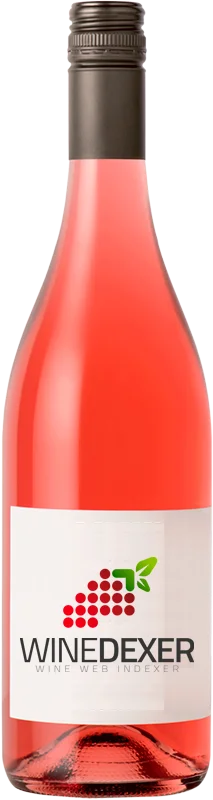
Winery GrifoneRosé
 Pink wine



This wine generally goes well with poultry, veal or shellfish.

Wine flavors and olphactive analysis





On the nose the Rosé of Winery Grifone in the region of Puglia often reveals types of flavors of earth, tree fruit or citrus fruit and sometimes also flavors of red fruit.
Food and wine pairings with Rosé
Pairings that work perfectly with Rosé



Original food and wine pairings with Rosé
The Rosé of Winery Grifone matches generally quite well with dishes of veal, shellfish or poultry such as recipes of very soft beef bourguignon, spanish seafood paella or eggs in meurette.
Details and technical informations about Winery Grifone's Rosé.
Discover the grape variety: Mandó
Supple, fruity reds with a clear ruby robe, silky tannins and an airy palate, with signature aromas of red fruits (cherry, raspberry), Mediterranean herbs (thyme, rosemary) and Levantine garrigue notes. A rustic, airy, near-extinct profile. Preserved for its heritage value, it is among the Levantine native grapes under study. Near-extinct native Spanish black grape from Valencia and Alicante.
Last vintages of this wine
The best vintages of Rosé from Winery Grifone are 2017, 2015, 2016, 0 and 2011.
Informations about the Winery Grifone
The Winery Grifone is one of of the world's greatest estates. It offers 12 wines for sale in the of Puglia to come and discover on site or to buy online.

The wine region of Puglia
Heel of the boot, 80% red vineyard, sunny and generous. Fleshy, jammy Primitivo (= Zinfandel) with notes of black cherry, plum, chocolate and spices, powerful alcohol and melted tannins, a star in Primitivo di Manduria. Deep, structured Negroamaro (black-bitter) with a bitter finish in Salice Salentino. Structured Nero di Troia, spicy Susumaniello.
The word of the wine: Baco 22A
A white grape variety resulting from the hybridization of the folle blanche and the noah. It is the only hybrid to remain authorized in a French appellation vineyard, that of Armagnac, where it thrives in particular on the tawny sands of Bas-Armagnac. When distilled, its wine produces round, smooth and aromatic eaux-de-vie with hints of ripe fruit.