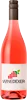
Winery Borgo TurritoCalarosa Nero di Troia Rosato
 Pink wine


This wine generally goes well with
Wine flavors and olphactive analysis

On the nose the Calarosa Nero di Troia Rosato of Winery Borgo Turrito in the region of Puglia often reveals types of flavors of earth, red fruit.
Details and technical informations about Winery Borgo Turrito's Calarosa Nero di Troia Rosato.
Discover the grape variety: Camaraou
It has been cultivated for a long time in Bearn and in the Jurançonnais. Today, it is very little multiplied and therefore in danger of disappearing. Published genetic analyses have made it possible to discover that it is related to one or more grape varieties, including Savagnin. For more information, click here!
Last vintages of this wine

The best vintages of Calarosa Nero di Troia Rosato from Winery Borgo Turrito are 2017, 2015, 0, 2019 and 2016.
Informations about the Winery Borgo Turrito
The Winery Borgo Turrito is one of of the world's greatest estates. It offers 9 wines for sale in the of Puglia to come and discover on site or to buy online.

The wine region of Puglia
Puglia (Apulia to many English speakers) is a Long, slender wine region in the extreme Southeast corner of Italy's "boot". To use the shoe analogy often used to illustrate the shape of Italy, Apulia extends from the tip of the heel to the mid-calf, where the spur of the Gargano Peninsula juts out into the Adriatic Sea. The heel (the Salento peninsula) occupies the southern half of the region and is of great importance for the identity of Puglia. Not only are there cultural and geographical differences from Northern Puglia, but the wines are also different.
The word of the wine: Grand Cru
In Burgundy, the fourth and final level of classification (above the regional, communal and premier cru appellations), designating the wines produced on delimited plots of land (the climats) whose name alone constitutes the appellation. The climats classified as Grand Cru are 32 in the Côte d'Or plus one in Chablis which is divided into 7 distinct climats. Representing barely 1.5% of the production, the Grand Crus are the aristocracy of Burgundy wines.