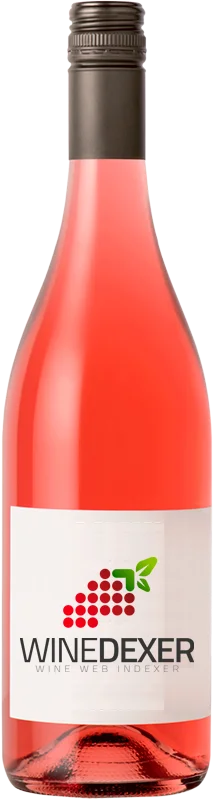
Winery Grasset RivesPsyche-delices Cuvée Charline
 Pink wine
This wine generally goes well with vegetarian, appetizers and snacks or lean fish.
Food and wine pairings with Psyche-delices Cuvée Charline
Pairings that work perfectly with Psyche-delices Cuvée Charline



Original food and wine pairings with Psyche-delices Cuvée Charline


The Psyche-delices Cuvée Charline of Winery Grasset Rives matches generally quite well with dishes of pasta, vegetarian or appetizers and snacks such as recipes of pasta with walnuts and treviso red salad, vegan leek and tofu quiche or cake with olives and bacon.
Details and technical informations about Winery Grasset Rives's Psyche-delices Cuvée Charline.
Discover the grape variety: Cabernet-Sauvignon
Cabernet-Sauvignon noir is a grape variety that originated in France (Bordeaux). It produces a variety of grape specially used for wine making. It is rare to find this grape to eat on our tables. This variety of grape is characterized by small bunches, and small grapes. Cabernet-Sauvignon noir can be found in many vineyards: South-West, Loire Valley, Languedoc & Roussillon, Cognac, Bordeaux, Armagnac, Rhone Valley, Provence & Corsica, Savoie & Bugey, Beaujolais.
Informations about the Winery Grasset Rives
The Winery Grasset Rives is one of wineries to follow in Languedoc-Roussillon.. It offers 5 wines for sale in the of Languedoc-Roussillon to come and discover on site or to buy online.

The wine region of Languedoc-Roussillon
Languedoc (formerly Coteaux du Languedoc) is a key appellation used in the Languedoc-Roussillon wine region of southern France. It covers Dry table wines of all three colors (red, white and rosé) from the entire region, but leaves Sweet and Sparkling wines to other more specialized appellations. About 75% of all Languedoc wines are red, with the remaining 25% split roughly down the middle between whites and rosés. The appellation covers most of the Languedoc region and almost a third of all the vineyards in France.
The word of the wine: Acescence
An alteration in wine also known as pitting (hence the expression piqué wine), due to the presence of acetic acid and ethyl acetate, and characterized by a vinegar-like odor.