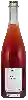
Winery Grange de BouysFlorence Rosé
 Pink wine
This wine generally goes well with beef, lamb or mature and hard cheese.

Food and wine pairings with Florence Rosé
Pairings that work perfectly with Florence Rosé



Original food and wine pairings with Florence Rosé

The Florence Rosé of Winery Grange de Bouys matches generally quite well with dishes of beef, lamb or spicy food such as recipes of fondue with broth, crusted lamb fillets with sweet spices or jambalaya (louisiana).
Details and technical informations about Winery Grange de Bouys's Florence Rosé.
Discover the grape variety: Blauburgunder
Elegant, structured reds with a clear to deep ruby colour, silky tannins and a smooth palate, showing signature aromas of red fruits (cherry, raspberry, strawberry), forest floor, mushroom, gentle spices and vanilla from oak ageing. Good ageing potential. Produces great wines in German-speaking regions — Germany (Baden-Württemberg, Palatinate), Austria, northern Italy (Südtirol) and German-speaking Switzerland. German and Austrian synonym for Pinot Noir.
Informations about the Winery Grange de Bouys
The Winery Grange de Bouys is one of of the world's greatest estates. It offers 7 wines for sale in the of Vin de France to come and discover on site or to buy online.

The wine region of Vin de France
The freest category of French wine, the playground of winemakers working outside the AOC. All styles combined: fruity reds, lively or ambitious whites, everyday rosés, unusual blends, natural wines, atypical grapes (Petit Manseng in Languedoc, Riesling in Provence), experimental winemaking (skin-contact whites, no sulphur). Grape and vintage labelling allowed, no geographic constraint. From the pop, convivial cuvée to the artisan gem: freedom in a bottle.
The word of the wine: Drawing (liqueur de)
In champagne and sparkling wines of traditional method, addition to the wine, at the time of bottling (tirage) of sugars and yeasts dissolved in wine. These components will provoke the second fermentation in the bottle leading to the formation of carbon dioxide bubbles.