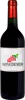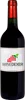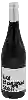
Winery Grange de BouysCuvée Saint Andrieu
 Red wine


This wine generally goes well with beef, lamb or mature and hard cheese.

Food and wine pairings with Cuvée Saint Andrieu
Pairings that work perfectly with Cuvée Saint Andrieu



Original food and wine pairings with Cuvée Saint Andrieu

The Cuvée Saint Andrieu of Winery Grange de Bouys matches generally quite well with dishes of beef, lamb or spicy food such as recipes of beef tongue with vegetables and madeira sauce, merguez with lentils or braised chicken and plantains.
Details and technical informations about Winery Grange de Bouys's Cuvée Saint Andrieu.
Discover the grape variety: Souzao
Intensely coloured, tangy reds with an almost black deep ruby robe, firm tannins and a dense, high-acidity palate, showing signature aromas of black fruits (blackberry, cassis), black cherry, spice and balsamic notes. A traditional component of vintage Port, contributing colour and acidity, present in dry reds from Douro DOC, also grown in California. The synonym for Portuguese Sousão, identical to Vinhão and Galician Sousón.
Last vintages of this wine
The best vintages of Cuvée Saint Andrieu from Winery Grange de Bouys are 0
Informations about the Winery Grange de Bouys
The Winery Grange de Bouys is one of of the world's greatest estates. It offers 7 wines for sale in the of Vin de France to come and discover on site or to buy online.

The wine region of Vin de France
The freest category of French wine, the playground of winemakers working outside the AOC. All styles combined: fruity reds, lively or ambitious whites, everyday rosés, unusual blends, natural wines, atypical grapes (Petit Manseng in Languedoc, Riesling in Provence), experimental winemaking (skin-contact whites, no sulphur). Grape and vintage labelling allowed, no geographic constraint. From the pop, convivial cuvée to the artisan gem: freedom in a bottle.
The word of the wine: Aging on lees
Maturing on the lees enhances the stability, aromatic complexity and texture of white wines, which gain in body and volume. This phenomenon is induced by autolysis, the process of self-degradation of the lees.