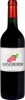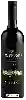
Winery Grandfather VineyardTanawha Syrah
 Red wine


This wine generally goes well with beef, lamb or mature and hard cheese.

Food and wine pairings with Tanawha Syrah
Pairings that work perfectly with Tanawha Syrah



Original food and wine pairings with Tanawha Syrah

The Tanawha Syrah of Winery Grandfather Vineyard matches generally quite well with dishes of beef, lamb or spicy food such as recipes of kafta bil saniyeh (lebanese dish), rolled lamb shoulder with herbs or veal axoa (basque country).
Details and technical informations about Winery Grandfather Vineyard's Tanawha Syrah.
Discover the grape variety: Pinot Meunier
Vinified almost exclusively as a base for Champagne AOC, where it brings freshness, fruitiness and immediate roundness to blends (apple, pear, red fruit, brioche notes); it is the most approachable young of the three Champagne varieties. Represents about one third of plantings, the absolute signature of the Vallée de la Marne. Also vinified as single varietal by some growers (blanc-de-noirs meunier champagnes). A cottony-leaved mutation of Pinot Noir, autochthonous to Champagne.
Last vintages of this wine
The best vintages of Tanawha Syrah from Winery Grandfather Vineyard are 0
Informations about the Winery Grandfather Vineyard
The Winery Grandfather Vineyard is one of of the world's greatest estates. It offers 44 wines for sale in the of North Carolina to come and discover on site or to buy online.

The wine region of North Carolina
Historic US southeastern wine state (top US producer before Prohibition). Yadkin Valley as the main quality zone: signature Cabernet Franc (red fruit, bell pepper, violet, fresh herbs, supple tannins). Also dense Petit Verdot, round Merlot, fruity Sangiovese. Chardonnay whites and rich Petit Manseng (apricot, honey).
The word of the wine: Drawing
Synonymous with racking.