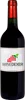
Winery Gran CastilloSignature Shiraz
 Red wine


In the mouth this red wine is a powerful with a lot of tannins present in the mouth.
This wine generally goes well with poultry, beef or game (deer, venison).

Taste structure of the Signature Shiraz from the Winery Gran Castillo
Light | Bold | |
Smooth | Tannic | |
Dry | Sweet | |
Soft | Acidic |
In the mouth the Signature Shiraz of Winery Gran Castillo in the region of Valence is a powerful with a lot of tannins present in the mouth.
Food and wine pairings with Signature Shiraz
Pairings that work perfectly with Signature Shiraz



Original food and wine pairings with Signature Shiraz

The Signature Shiraz of Winery Gran Castillo matches generally quite well with dishes of beef, lamb or game (deer, venison) such as recipes of ramen burger, douez battata with cardoons (moroccan lamb stew) or rack of lamb with herbs.
Details and technical informations about Winery Gran Castillo's Signature Shiraz.
Discover the grape variety: Fleurtai
Aromatic, structured dry whites with a pale golden colour, a full palate with preserved acidity and signature aromas of white flowers, sweet almond, yellow fruits and herbaceous notes close to Friulano. Productive. Grown in northern Italy for organic and sustainable vineyards, offering a modern disease-resistant expression of Friuli. Italian white hybrid variety obtained in 2006 at the University of Udine, involving Tocai Friulano.
Last vintages of this wine
The best vintages of Signature Shiraz from Winery Gran Castillo are 0
Informations about the Winery Gran Castillo
The Winery Gran Castillo is one of of the world's great estates. It offers 40 wines for sale in the of Valence to come and discover on site or to buy online.

The wine region of Valence
Sunny Mediterranean Levant, sun-drenched accessible wines. Monastrell (Mourvèdre) star red in Alicante: fleshy and deep with black fruits, garrigue, leather and spice, firm tannins. Round, fruity Bobal from Utiel-Requena, supple Garnacha, juicy Tempranillo. Fresh whites: light Merseguera, aromatic Moscatel (fresh grape, flowers).
The word of the wine: White winemaking
White wines are obtained by fermentation of the juice after pressing. A pre-fermentation maceration is sometimes practiced to extract the aromatic substances from the skins. White wines are normally made from white grapes, but can also be made from red grapes (blanc de noirs). The grapes are then pressed as soon as they arrive at the vat house without maceration in order to prevent the colouring matter contained in the skins from "staining" the wine.