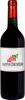
Winery Ginesa ReservasViña Ginesa Semiseco
 Red wine


In the mouth this red wine is a powerful.
This wine generally goes well with poultry, beef or veal.

Taste structure of the Viña Ginesa Semiseco from the Winery Ginesa Reservas
Light | Bold | |
Smooth | Tannic | |
Dry | Sweet | |
Soft | Acidic |
In the mouth the Viña Ginesa Semiseco of Winery Ginesa Reservas in the region of Vinos de Pago is a powerful.
Food and wine pairings with Viña Ginesa Semiseco
Pairings that work perfectly with Viña Ginesa Semiseco



Original food and wine pairings with Viña Ginesa Semiseco

The Viña Ginesa Semiseco of Winery Ginesa Reservas matches generally quite well with dishes of beef, pasta or veal such as recipes of fleischnacka leaf, one pot pasta with creamy chicken farfalle or veal blanquette burger.
Details and technical informations about Winery Ginesa Reservas's Viña Ginesa Semiseco.
Discover the grape variety: Pinenc
Structured, deeply coloured reds with a dark ruby robe, firm tannins and a dense palate, with signature aromas of black fruits (blackberry, blackcurrant), red pepper (hallmark), spices and herbaceous notes. Fine ageing potential, defining the identity of Béarn and Aveyron. Essential component of Madiran AOC and Pacherenc du Vic-Bilh AOC. Synonym of Fer Servadou in Madiran, also called Braucol in Gaillac and Mansois in Marcillac. South-West French variety.
Last vintages of this wine
The best vintages of Viña Ginesa Semiseco from Winery Ginesa Reservas are 0
Informations about the Winery Ginesa Reservas
The Winery Ginesa Reservas is one of of the world's greatest estates. It offers 35 wines for sale in the of Vinos de Pago to come and discover on site or to buy online.

The wine region of Vinos de Pago
Top of the Spanish quality pyramid (above DOCa and DO), reserved for 25 exceptional estates. Estate wines, grapes and vinification exclusively on site, 10 years of track record. All styles: concentrated, barrel-aged Cabernet, Syrah and Tempranillo reds (Dominio de Valdepusa, Arínzano, Pago de Otazu), maker's blends, a few ambitious whites. Great stylistic freedom.
The word of the wine: Disgorging (champagne)
This is the evacuation of the deposit formed by the yeasts during the second fermentation in the bottle, by opening the bottle. The missing volume is completed with the liqueur de dosage - a mixture of wine and cane sugar - before the final cork is placed. For some years now, some producers have been replacing this sugar with rectified concentrated musts (concentrated grape juice) which give excellent results. A too recent dosage (less than three months) harms the gustatory harmony of the champagne.