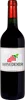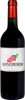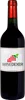
Winery GiampetruzziErasmus Primitivo Riserva
 wine
wine
This wine generally goes well with
The Erasmus Primitivo Riserva of the Winery Giampetruzzi is in the top 0 of wines of Gioia del Colle.
Details and technical informations about Winery Giampetruzzi's Erasmus Primitivo Riserva.
Discover the grape variety: Auxerrois
Auxerrois is a white grape variety native to Lorraine, which is also found in Alsace and in the Loire Valley, where it took off in 1950. Its name comes from the nurseries in Auxerre where it found refuge during the Second World War. Often called Pinot Auxerrois, it is part of the Moselle, Alsace and Côtes-de-Toul AOC grape varieties. Auxerrois should not be confused with côt or malbec, which are red grape varieties from the Cahors region and which may bear the same name. The bunches of Auxerrois are of medium size with small berries. It is a semi-late grape variety whose buds only come out when temperatures are well above 10°C. Auxerrois wines are characterized by finesse and acidity and subtle aromas of exotic fruits, fruits and white flowers. In France, it represents 1,600 hectares of production and some small parcels of Auxerrois are also present in Luxembourg, Germany, Canada and South Africa (2,300 hectares in total).
Informations about the Winery Giampetruzzi
The Winery Giampetruzzi is one of of the world's greatest estates. It offers 10 wines for sale in the of Gioia del Colle to come and discover on site or to buy online.

The wine region of Gioia del Colle
The wine region of Gioia del Colle is located in the region of Pouilles of Italy. Wineries and vineyards like the Domaine Tenute Chiaromonte or the Domaine Terrecarsiche 1939 produce mainly wines red, white and pink. The most planted grape varieties in the region of Gioia del Colle are Primitivo, Verdeca and Aléatico, they are then used in wines in blends or as a single variety. On the nose of Gioia del Colle often reveals types of flavors of tree fruit, red fruit or cheese and sometimes also flavors of fig, dark fruit or anise.
The wine region of Puglia
Puglia (Apulia to many English speakers) is a Long, slender wine region in the extreme Southeast corner of Italy's "boot". To use the shoe analogy often used to illustrate the shape of Italy, Apulia extends from the tip of the heel to the mid-calf, where the spur of the Gargano Peninsula juts out into the Adriatic Sea. The heel (the Salento peninsula) occupies the southern half of the region and is of great importance for the identity of Puglia. Not only are there cultural and geographical differences from Northern Puglia, but the wines are also different.
The word of the wine: VDQS
Delimited wine of superior quality. A level of appellation (today, barely 1% of French production) which constitutes the ultimate step before the accession to the AOC.