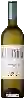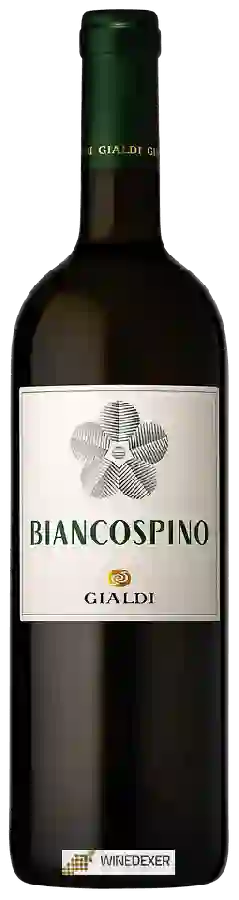
Winery GialdiBiancospino
 White wine


This wine generally goes well with pork, vegetarian or poultry.

Wine flavors and olphactive analysis





On the nose the Biancospino of Winery Gialdi in the region of Ticino often reveals types of flavors of non oak, earth or microbio and sometimes also flavors of vegetal, oak or spices.
Food and wine pairings with Biancospino
Pairings that work perfectly with Biancospino



Original food and wine pairings with Biancospino



The Biancospino of Winery Gialdi matches generally quite well with dishes of beef, lamb or pork such as recipes of alsatian bäckeoffe, lamb chops with spanish sauce or chicken bonne femme.
Details and technical informations about Winery Gialdi's Biancospino.
Discover the grape variety: Chardonnay
Whites with many faces: mineral and taut at Chablis (lemon, green apple, flint), opulent and buttery at Meursault and Puligny-Montrachet (hazelnut, brioche, yellow fruits), tense and chalky in Champagne (Blanc de Blancs). Also vinified sparkling and widely exported (Sonoma, Margaret River, Casablanca). A Burgundian variety, a cross of Pinot Noir × Gouais Blanc, half-sibling of Aligoté.
Last vintages of this wine

The best vintages of Biancospino from Winery Gialdi are 2011, 2010, 2012, 2015 and 2017.
Informations about the Winery Gialdi
The Winery Gialdi is one of of the world's greatest estates. It offers 37 wines for sale in the of Ticino to come and discover on site or to buy online.

The wine region of Ticino
Italian Switzerland, stronghold of Helvetic Merlot (~80% of plantings). Fleshy, refined reds with signature notes of ripe plum, black cherry, dark chocolate, leather and spices, round tannins and a velvety palate — often compared to the best Pomerol. Some cuvées vinified as Bianco di Merlot: original, ample whites (peach, citrus). Also native Bondola and Bordeaux blends.
The word of the wine: Amber
(1) A colour close to amber, sometimes taken on by white wines aged for a long time, or by oxidising prematurely. (2) A term used on the label to designate white Rivesaltes aged for at least thirty months in an oxidizing environment.