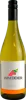
Winery Gérald BesseLes Serpentines Flétrie Sur Souche Petite Arvine
 Sweet wine


This wine generally goes well with
The Les Serpentines Flétrie Sur Souche Petite Arvine of the Winery Gérald Besse is in the top 20 of wines of Valais.

Details and technical informations about Winery Gérald Besse's Les Serpentines Flétrie Sur Souche Petite Arvine.
Discover the grape variety: Pinot Noir Précoce
Fine, silky, elegant reds with a clear ruby colour, soft tannins and an airy palate with fresh acidity, signature aromas of red fruits (cherry, raspberry, wild strawberry), undergrowth and fine spices. Earlier ripening than classic Pinot Noir. Grown mainly in Germany (Franconia, Württemberg, Ahr) as Frühburgunder and in tiny quantities in France. Early-ripening mutation of Pinot Noir, also called Frühburgunder in Germany.
Last vintages of this wine
The best vintages of Les Serpentines Flétrie Sur Souche Petite Arvine from Winery Gérald Besse are 0
Informations about the Winery Gérald Besse
The Winery Gérald Besse is one of of the world's great estates. It offers 33 wines for sale in the of Valais to come and discover on site or to buy online.

The wine region of Valais
Switzerland's largest vineyard, capital of native grapes. Straight, precise alpine whites: light, floral Chasselas (Fendant), signature Petite Arvine with saline, grapefruit and rhubarb notes, rich, apricoty Amigne, mineral Humagne Blanche. Altitude reds: fine Pinot Noir, crisp Gamay, native Cornalin and Humagne Rouge, spicy and deep. Highly precise alpine age-worthy wines.
The word of the wine: Phenolic ripeness
A distinction is made between the ripeness of sugars and acids and the ripeness of tannins and other compounds such as anthocyanins and tannins, which will bring structure and colour. Grapes can be measured at 13° potential without having reached this phenolic maturity. Vinified at this stage, they will give hard, astringent wines, without charm.