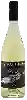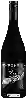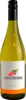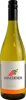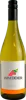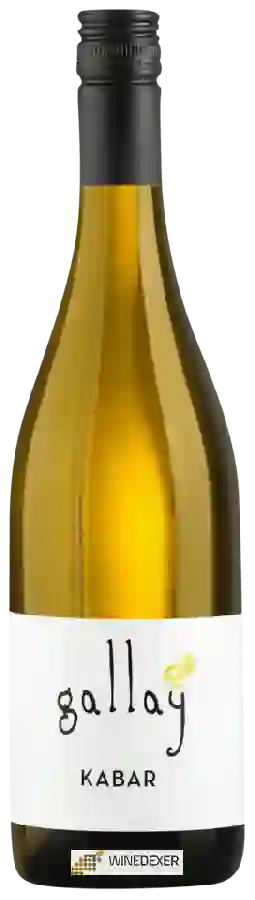
Winery GallayKabar
 White wine


This wine generally goes well with
The Kabar of the Winery Gallay is in the top 10 of wines of Bükk.

Wine flavors and olphactive analysis

On the nose the Kabar of Winery Gallay in the region of Eger often reveals types of flavors of earth, tree fruit.
Details and technical informations about Winery Gallay's Kabar.
Discover the grape variety: Cerceal Branco
Lively and structured dry whites with a pale golden colour, slender palate and very marked razor-sharp acidity, with signature aromas of citrus (lemon), green apple, white flowers and mineral notes. An airy and taut profile. A component of Bairrada sparkling wines (base for effervescents) and present in Dão DOC. Known as Sercial in Madeira, where it signs the great dry Madeiras. An indigenous Portuguese white variety from Bairrada and Dão.
Last vintages of this wine
The best vintages of Kabar from Winery Gallay are 0
Informations about the Winery Gallay
The Winery Gallay is one of of the world's greatest estates. It offers 16 wines for sale in the of Bükk to come and discover on site or to buy online.

The wine region of Bükk
Small wine region of northeastern Hungary between Eger and Tokaj, at the foot of the volcanic Bükk massif, soils of rhyolitic tuffs and basalts, cool continental climate. Olaszrizling (Welschriesling) as the signature white: dry and taut with lively citrus, green apple, almond, herbs and a smoky volcanic mineral touch, cutting acidity. Leányka with aromatic floral notes, Furmint and Chardonnay in whites. Kékfrankos and Kadarka as spicy, fruity, fresh reds.
The wine region of Eger
Emblematic Hungarian region in the north, home of the legendary Egri Bikavér ("Bull's Blood"). A blend of fleshy, spicy reds with signature notes of black cherry, ripe plum, paprika, sweet spices and tobacco, round tannins. Mandatory base of Kékfrankos (Blaufränkisch), blended with fruity Kadarka, peppery Cabernet Franc and supple Merlot. Also Egri Csillag in white ("Star of Eger"), fresh and aromatic.
The word of the wine: Yeast
Micro-organisms at the base of all fermentative processes. A wide variety of yeasts live and thrive naturally in the vineyard, provided that treatments do not destroy them. Unfortunately, their replacement by laboratory-selected yeasts is often the order of the day and contributes to the standardization of the wine. Yeasts are indeed involved in the development of certain aromas.