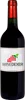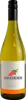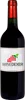
Winery GaletisFleur de Galetis Cuvée Prestige Rouge Demi Doux
 Red wine



This wine generally goes well with beef, lamb or mature and hard cheese.

Food and wine pairings with Fleur de Galetis Cuvée Prestige Rouge Demi Doux
Pairings that work perfectly with Fleur de Galetis Cuvée Prestige Rouge Demi Doux



Original food and wine pairings with Fleur de Galetis Cuvée Prestige Rouge Demi Doux

The Fleur de Galetis Cuvée Prestige Rouge Demi Doux of Winery Galetis matches generally quite well with dishes of beef, lamb or spicy food such as recipes of fillet of beef with morels, shoulder of lamb on a bed of potatoes or salmon steak on a bed of leeks.
Details and technical informations about Winery Galetis's Fleur de Galetis Cuvée Prestige Rouge Demi Doux.
Discover the grape variety: Kerner
Aromatic, structured whites with lively acidity and a slender mouth, featuring muscat-like aromas of white peach, apricot, white flowers, citrus and Riesling-like notes. Made as nervy dry wines (Trocken), off-dry (Kabinett, Spätlese) and mineral high-altitude cuvées. Grown in Germany (Rheinhessen, Palatinate, Württemberg), northern Italy (Alto Adige in the high Val Venosta valleys) and Japan. A Trollinger × Riesling cross created in 1929 in Weinsberg.
Informations about the Winery Galetis
The Winery Galetis is one of of the world's great estates. It offers 35 wines for sale in the of Languedoc-Roussillon to come and discover on site or to buy online.

The wine region of Languedoc-Roussillon
Largest single French vineyard, dominated by sunny, generous reds. Spicy Syrah, candied Grenache (ripe fruit, garrigue), structured Carignan, deep Mourvèdre, supple Cinsault. Stars: structured Corbières, Minervois, Faugères, Saint-Chinian; round Côtes-du-Roussillon. Legendary vins doux naturels: Banyuls and Maury (fortified Grenache) with notes of cocoa, fig, prune.
The word of the wine: R-M (champagne)
Harvesting and handling. It is the artisan winemaker. He elaborates his own champagne, often a monocru representative of the village or the surrounding villages.