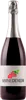
Winery G & M MachmerEdition G&M Spätburgunder Feinherb
 Red wine
In the mouth this red wine is a with a nice freshness.
This wine generally goes well with poultry, beef or veal.

Taste structure of the Edition G&M Spätburgunder Feinherb from the Winery G & M Machmer
Light | Bold | |
Smooth | Tannic | |
Dry | Sweet | |
Soft | Acidic |
In the mouth the Edition G&M Spätburgunder Feinherb of Winery G & M Machmer in the region of Rheinhessen is a with a nice freshness.
Food and wine pairings with Edition G&M Spätburgunder Feinherb
Pairings that work perfectly with Edition G&M Spätburgunder Feinherb



Original food and wine pairings with Edition G&M Spätburgunder Feinherb

The Edition G&M Spätburgunder Feinherb of Winery G & M Machmer matches generally quite well with dishes of beef, veal or game (deer, venison) such as recipes of enchiladas franchouillards, calf sweetbread with mushrooms or rabbit with chorizo.
Details and technical informations about Winery G & M Machmer's Edition G&M Spätburgunder Feinherb.
Discover the grape variety: Calitor
Light, airy reds with a pale, lightly coloured ruby robe, supple tannins and a light palate with moderate acidity, featuring discreet aromas of red fruits and Provençal garrigue notes. Low alcohol. Late-ripening (35 days after Chasselas). Historically recommended in the Vaucluse and the Var, now nearly extinct and preserved in a few Provençal heritage plots. Autochthonous Provençal black variety, once widespread in south-eastern France.
Informations about the Winery G & M Machmer
The Winery G & M Machmer is one of of the world's great estates. It offers 80 wines for sale in the of Rheinhessen to come and discover on site or to buy online.

The wine region of Rheinhessen
71% white region: Riesling is king (5,000 ha), dry to off-dry, ripe yellow fruit, apple, citrus and fine saline minerality. Supple, floral Müller-Thurgau for everyday, the world's largest Silvaner plantation with herbaceous, straight notes. Historic cradle of off-sweet Liebfraumilch. Some supple reds (Dornfelder, Spätburgunder).
The word of the wine: Oenophile
A person who is interested in the world of wine and more particularly in wine tasting.