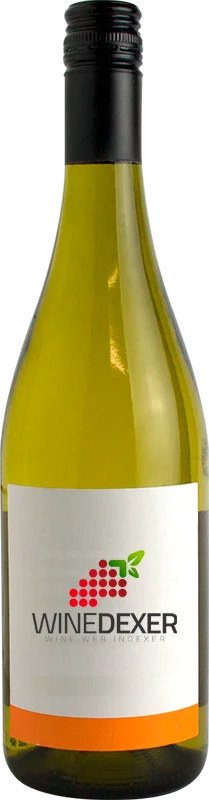
Winery Fratelli BeccarisMuscum
 White wine



In the mouth this white wine is a powerful.
This wine generally goes well with lean fish, shellfish or mature and hard cheese.

Taste structure of the Muscum from the Winery Fratelli Beccaris
Light | Bold | |
Dry | Sweet | |
Soft | Acidic |
In the mouth the Muscum of Winery Fratelli Beccaris in the region of Piedmont is a powerful.
Food and wine pairings with Muscum
Pairings that work perfectly with Muscum



Original food and wine pairings with Muscum


The Muscum of Winery Fratelli Beccaris matches generally quite well with dishes of pasta, shellfish or mature and hard cheese such as recipes of baked lasagna, chinese fondue or shepherd's pie (potatoes, beef, carrots, bacon).
Details and technical informations about Winery Fratelli Beccaris's Muscum.
Discover the grape variety: Ravat noir
Deeply coloured, simple fruity reds with a sustained purple colour, soft tannins and an airy palate with moderate acidity, showing aromas of black fruits (blackcurrant, blackberry) and discreet herbal notes. Productive and disease resistant. Grown in small quantities in France and Canada (Quebec) for rigorous continental viticultural climates. French black hybrid obtained by Jean-François Ravat in the early 20th century, a witness to French post-phylloxera hybridisation.
Last vintages of this wine
The best vintages of Muscum from Winery Fratelli Beccaris are 0
Informations about the Winery Fratelli Beccaris
The Winery Fratelli Beccaris is one of of the world's greatest estates. It offers 5 wines for sale in the of Piedmont to come and discover on site or to buy online.

The wine region of Piedmont
Kingdom of Nebbiolo: Barolo and Barbaresco DOCG, long-ageing reds with firm tannins and lively acidity, complex aromas of withered rose, sour cherry, tar, truffle and undergrowth. More accessible, tangy Barbera on red fruit, supple, crisp Dolcetto. Sweet, floral sparkling Moscato d'Asti, mineral, lemony Gavi (Cortese) white, round, almondy Arneis from Roero. 50,000 ha across the Langhe, Roero and Monferrato, UNESCO.
The word of the wine: Bitter
Normal for certain young red wines rich in tannin, bitterness is in other cases a defect due to a bacterial disease.