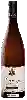
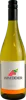
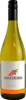
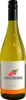
Domaine Saint NicolasLes Clous
 White wine


This wine is a blend of 2 varietals which are the Chardonnay and the Chenin blanc.
This wine generally goes well with fruity desserts, pork or vegetarian.

Wine flavors and olphactive analysis





On the nose the Les Clous of Domaine Saint Nicolas in the region of Loire Valley often reveals types of flavors of citrus, apples or minerality and sometimes also flavors of lemon, pear or earth.
Food and wine pairings with Les Clous
Pairings that work perfectly with Les Clous



Original food and wine pairings with Les Clous



The Les Clous of Domaine Saint Nicolas matches generally quite well with dishes of pork, rich fish (salmon, tuna etc) or shellfish such as recipes of wild boar stew, pasta salmon - fresh cream or shrimp and zucchini with curry and coconut milk.
Details and technical informations about Domaine Saint Nicolas's Les Clous.
Discover the grape variety: Chardonnay
Whites with many faces: mineral and taut at Chablis (lemon, green apple, flint), opulent and buttery at Meursault and Puligny-Montrachet (hazelnut, brioche, yellow fruits), tense and chalky in Champagne (Blanc de Blancs). Also vinified sparkling and widely exported (Sonoma, Margaret River, Casablanca). A Burgundian variety, a cross of Pinot Noir × Gouais Blanc, half-sibling of Aligoté.
Last vintages of this wine

The best vintages of Les Clous from Domaine Saint Nicolas are 2016, 2015, 2018, 2014 and 2017.
Informations about the Domaine Saint Nicolas
The Domaine Saint Nicolas is one of of the world's greatest estates. It offers 36 wines for sale in the of Loire Valley to come and discover on site or to buy online.

The wine region of Loire Valley
Kingdom of lively, dry whites and fine sparklers. Mineral, taut Sauvignon Blanc (Sancerre, Pouilly-Fumé) with citrus and gunflint notes. Multiform Chenin Blanc (Vouvray, Savennières, Layon): straight dry, floral off-dry or noble sweet honey-quince. Saline, iodised Muscadet (Melon B.
The word of the wine: Rosé de saignée
A method of making rosé wine that consists of partially draining a vat of red wine after a few hours of maceration. The longer the maceration, the stronger the colour. This practice gives rich and expressive rosés.