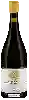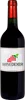
Winery Notre Dame de CousignacNature d'Ardeche
 Red wine



This wine generally goes well with beef, lamb or mature and hard cheese.

Food and wine pairings with Nature d'Ardeche
Pairings that work perfectly with Nature d'Ardeche



Original food and wine pairings with Nature d'Ardeche

The Nature d'Ardeche of Winery Notre Dame de Cousignac matches generally quite well with dishes of beef, lamb or spicy food such as recipes of tanjia, moroccan tagine with lamb and cardoons or royal couscous (lamb, chicken, merguez).
Details and technical informations about Winery Notre Dame de Cousignac's Nature d'Ardeche.
Discover the grape variety: Clairette Rose
Lively, aromatic rosés and clarets with a pale salmon robe, an airy palate, and signature aromas of white flowers (hawthorn), citrus (grapefruit), light red fruits (strawberry, redcurrant) and Mediterranean notes. Occasionally contributing to traditional Provençal and Languedoc rosé blends, it is cultivated in small quantities in Provence and Languedoc-Roussillon. A pink-skinned mutation of Clairette, a historic southern French variety.
Last vintages of this wine
The best vintages of Nature d'Ardeche from Winery Notre Dame de Cousignac are 2013
Informations about the Winery Notre Dame de Cousignac
The Winery Notre Dame de Cousignac is one of of the world's great estates. It offers 34 wines for sale in the of Rhone Valley to come and discover on site or to buy online.

The wine region of Rhone Valley
France's 2nd-largest AOC vineyard, two complementary worlds. Northern: pure Syrah in signature reds (Côte-Rôtie, Hermitage, Cornas), deep and peppery with blackberry, violet, black olive and smoked bacon notes, exceptional ageing. Opulent Viognier whites (Condrieu, apricot, flowers) and ample Marsanne-Roussanne. Southern: sun-soaked Grenache blends at Châteauneuf, Gigondas, Vacqueyras (candied fruit, garrigue).
The word of the wine: Champagne rosé
Often obtained by adding red wines (from Champagne), it is even the only vineyard where this practice is allowed. Some producers prefer the practice used in other regions, i.e. a short maceration to extract sufficient colouring matter. This results in winey rosés for meals. Elegant aperitif rosé is more often made from red wine coloured Chardonnay. Rosés can be vintage or non vintage.