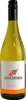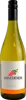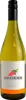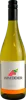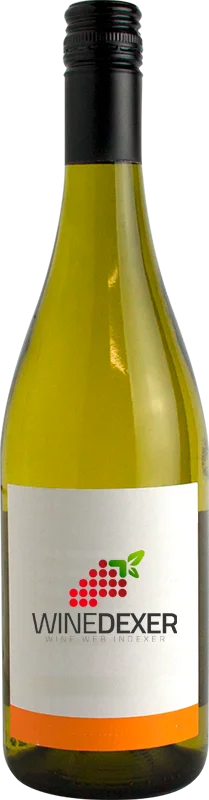
Winery FDLRéserve Bordeaux Moelleux Blanc
 Sweet wine
This wine generally goes well with vegetarian, poultry or rich fish (salmon, tuna etc).

Food and wine pairings with Réserve Bordeaux Moelleux Blanc
Pairings that work perfectly with Réserve Bordeaux Moelleux Blanc



Original food and wine pairings with Réserve Bordeaux Moelleux Blanc


The Réserve Bordeaux Moelleux Blanc of Winery FDL matches generally quite well with dishes of fruity desserts or blue cheese such as recipes of the coughing cat's apple crumble or cheese log.
Details and technical informations about Winery FDL's Réserve Bordeaux Moelleux Blanc.
Discover the grape variety: Planta nova
Fresh, thirst-quenching dry whites with a pale golden colour, a supple palate and preserved acidity, showing simple aromas of citrus (lemon, grapefruit), white flowers (acacia), green apple and Mediterranean notes. A productive style to drink young. A traditional component of Valencia DO and Alicante DO whites on the Spanish Levante coast, expressing the regional southern identity. Indigenous Spanish variety of the Levante.
Informations about the Winery FDL
The Winery FDL is one of of the world's great estates. It offers 94 wines for sale in the of Bordeaux Moelleux to come and discover on site or to buy online.

The wine region of Bordeaux Moelleux
Emblematic style of Bordeaux off-dry whites (10-50 g sugar/L), produced across the entire AOC area from over-ripened grapes (botrytised or passerillé). Signature Sémillon dominant: golden, round whites with signature notes of honey, apricot, candied fruits, citrus, vanilla and a quince touch, unctuous, fresh palate. Sauvignon Blanc brings taut acidity, Muscadelle the floral aromatic. Accessible, gastronomic style, affordable alternative to Sauternes.
The wine region of Bordeaux
World-renowned age-worthy reds, led by round Merlot (plum, black fruit) or firm Cabernet Sauvignon (blackcurrant, cedar, graphite), blended with Cabernet Franc and Petit Verdot for tannic structure. Structured Médoc and Graves, velvety Saint-Émilion and Pomerol. Also crisp dry whites (Sauvignon/Sémillon) and opulent sweet Sauternes with honey and candied fruit. A 110,000 ha Gironde vineyard, 65 appellations, cradle of the 1855 classified growths.
The word of the wine: Phenolic ripeness
A distinction is made between the ripeness of sugars and acids and the ripeness of tannins and other compounds such as anthocyanins and tannins, which will bring structure and colour. Grapes can be measured at 13° potential without having reached this phenolic maturity. Vinified at this stage, they will give hard, astringent wines, without charm.