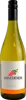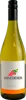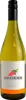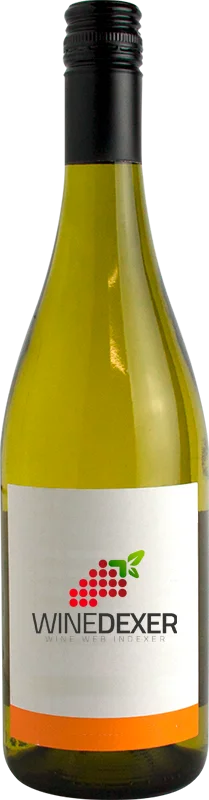
Winery Châtelain Gerard BussetCuvee Speciale Blanc Moelleux
 Sweet wine


This wine generally goes well with
The Cuvee Speciale Blanc Moelleux of the Winery Châtelain Gerard Busset is in the top 20 of wines of Bordeaux Moelleux.

Details and technical informations about Winery Châtelain Gerard Busset's Cuvee Speciale Blanc Moelleux.
Discover the grape variety: Négret castrais
Supple, fruity reds with a sustained ruby robe, soft tannins, an airy palate and fresh acidity; aromas of red fruits (raspberry, cherry) and gentle spices. Accessible southern profile. Preserved for its heritage value, surviving in a few heritage plots in the Tarn, among the ancient South-West varieties studied for their ampelographic interest. Indigenous French black grape from the South-West, mainly cultivated in the Tarn.
Last vintages of this wine

The best vintages of Cuvee Speciale Blanc Moelleux from Winery Châtelain Gerard Busset are 2016
Informations about the Winery Châtelain Gerard Busset
The Winery Châtelain Gerard Busset is one of of the world's greatest estates. It offers 2 wines for sale in the of Bordeaux Moelleux to come and discover on site or to buy online.

The wine region of Bordeaux Moelleux
Emblematic style of Bordeaux off-dry whites (10-50 g sugar/L), produced across the entire AOC area from over-ripened grapes (botrytised or passerillé). Signature Sémillon dominant: golden, round whites with signature notes of honey, apricot, candied fruits, citrus, vanilla and a quince touch, unctuous, fresh palate. Sauvignon Blanc brings taut acidity, Muscadelle the floral aromatic. Accessible, gastronomic style, affordable alternative to Sauternes.
The wine region of Bordeaux
World-renowned age-worthy reds, led by round Merlot (plum, black fruit) or firm Cabernet Sauvignon (blackcurrant, cedar, graphite), blended with Cabernet Franc and Petit Verdot for tannic structure. Structured Médoc and Graves, velvety Saint-Émilion and Pomerol. Also crisp dry whites (Sauvignon/Sémillon) and opulent sweet Sauternes with honey and candied fruit. A 110,000 ha Gironde vineyard, 65 appellations, cradle of the 1855 classified growths.
The word of the wine: Tartar (deposit)
White, chalky deposits that occur as a result of precipitation inside bottles and are often considered by consumers as a defect. They are in fact tartaric salts formed by tartaric acid, potassium and calcium naturally present in the wine. This deposit does not alter the quality of the wine and can be eliminated by a simple decanting.