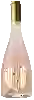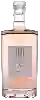
Famille Lignères - Château La BaronneLe Rosé de Jean
 Pink wine



In the mouth this pink wine is a with a nice freshness.
This wine generally goes well with vegetarian, appetizers and snacks or lean fish.

Taste structure of the Le Rosé de Jean from the Famille Lignères - Château La Baronne
Light | Bold | |
Dry | Sweet | |
Soft | Acidic |
In the mouth the Le Rosé de Jean of Famille Lignères - Château La Baronne in the region of Languedoc-Roussillon is a with a nice freshness.
Food and wine pairings with Le Rosé de Jean
Pairings that work perfectly with Le Rosé de Jean



Original food and wine pairings with Le Rosé de Jean


The Le Rosé de Jean of Famille Lignères - Château La Baronne matches generally quite well with dishes of pasta, vegetarian or appetizers and snacks such as recipes of light lasagne without béchamel sauce, quiche without pastry or preparation of the green olives.
Details and technical informations about Famille Lignères - Château La Baronne's Le Rosé de Jean.
Discover the grape variety: Procanico
Simple and lively dry whites with a pale golden robe, a supple palate and preserved acidity, with understated aromas of citrus (lemon), white flowers, white-fleshed fruits (pear, apple) and herbal notes. A thirst-quenching profile to drink young. An essential component of the Orvieto DOC appellation in Umbria, defining the viticultural identity of central Italy around Orvieto. Italian synonym for Trebbiano Toscano grown in Umbria, a productive white grape.
Last vintages of this wine
The best vintages of Le Rosé de Jean from Famille Lignères - Château La Baronne are 2015, 2013
Informations about the Famille Lignères - Château La Baronne
The Famille Lignères - Château La Baronne is one of of the world's great estates. It offers 45 wines for sale in the of Languedoc-Roussillon to come and discover on site or to buy online.

The wine region of Languedoc-Roussillon
Largest single French vineyard, dominated by sunny, generous reds. Spicy Syrah, candied Grenache (ripe fruit, garrigue), structured Carignan, deep Mourvèdre, supple Cinsault. Stars: structured Corbières, Minervois, Faugères, Saint-Chinian; round Côtes-du-Roussillon. Legendary vins doux naturels: Banyuls and Maury (fortified Grenache) with notes of cocoa, fig, prune.
The word of the wine: Barrel
Bordeaux barrel of 225 litres, used to determine the tonneau (unit of measurement corresponding to four barrels, or 900 litres).