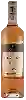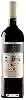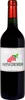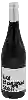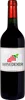
Domaine TurenneTurenne Rouge
 Red wine


This wine generally goes well with beef, lamb or mature and hard cheese.

Food and wine pairings with Turenne Rouge
Pairings that work perfectly with Turenne Rouge



Original food and wine pairings with Turenne Rouge

The Turenne Rouge of Domaine Turenne matches generally quite well with dishes of beef, lamb or spicy food such as recipes of beef stew, caramelized lamb mice or pork gyros.
Details and technical informations about Domaine Turenne's Turenne Rouge.
Discover the grape variety: Chancellor
Coloured and fruity reds with a dense ruby robe, supple tannins and fresh acidity, with aromas of red and black fruits (cherry, blackberry, plum), soft spices and slightly herbaceous notes. Round mouthfeel, best drunk young. A highly frost- and disease-resistant hybrid, the driving force of northern vineyards: north-eastern USA (Finger Lakes, Pennsylvania) and Canada (Ontario). A French hybrid created around 1920 by Albert Seibel (Seibel 7053).
Last vintages of this wine
The best vintages of Turenne Rouge from Domaine Turenne are 0
Informations about the Domaine Turenne
The Domaine Turenne is one of of the world's greatest estates. It offers 12 wines for sale in the of Vin de France to come and discover on site or to buy online.

The wine region of Vin de France
The freest category of French wine, the playground of winemakers working outside the AOC. All styles combined: fruity reds, lively or ambitious whites, everyday rosés, unusual blends, natural wines, atypical grapes (Petit Manseng in Languedoc, Riesling in Provence), experimental winemaking (skin-contact whites, no sulphur). Grape and vintage labelling allowed, no geographic constraint. From the pop, convivial cuvée to the artisan gem: freedom in a bottle.
The word of the wine: Oenologist
Specialist in wine-making techniques. It is a profession and not a passion: one can be an oenophile without being an oenologist (and the opposite too!). Formerly attached to the Faculty of Pharmacy, oenology studies have become independent and have their own university course. Learning to make wine requires a good chemical background but also, increasingly, a good knowledge of the plant. Some oenologists work in laboratories (analysis). Others, the consulting oenologists, work directly in the properties.