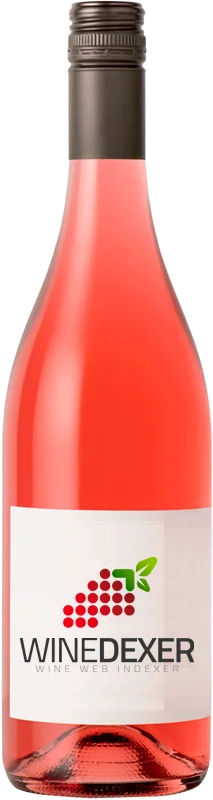
Domaine de CantarelleRosé Fruité
 Pink wine
In the mouth this pink wine is a with a nice freshness.
This wine generally goes well with pork, vegetarian or poultry.
Taste structure of the Rosé Fruité from the Domaine de Cantarelle
Light | Bold | |
Dry | Sweet | |
Soft | Acidic |
In the mouth the Rosé Fruité of Domaine de Cantarelle in the region of Provence is a with a nice freshness.
Food and wine pairings with Rosé Fruité
Pairings that work perfectly with Rosé Fruité



Original food and wine pairings with Rosé Fruité

The Rosé Fruité of Domaine de Cantarelle matches generally quite well with dishes of pork, shellfish or vegetarian such as recipes of sausages with kale, seafood, chorizo and chicken paella from patou or summer tuna quiche.
Details and technical informations about Domaine de Cantarelle's Rosé Fruité.
Discover the grape variety: Solaris
Interspecific cross between merzling x Geisenheim 6493 (zarya severa x muscat ottonel) obtained in Germany in 1975 by Norbert Becker. It has the particularity of having only one gene for resistance to mildew and powdery mildew. It can be found in Germany, Belgium, Italy, Switzerland, the Netherlands, Denmark, England, etc. In France, it is still little known.
Informations about the Domaine de Cantarelle
The Domaine de Cantarelle is one of of the world's great estates. It offers 44 wines for sale in the of Provence to come and discover on site or to buy online.

The wine region of Provence
Provence is a wine region in the far southeast of France, best known for the quality (and quantity) of its rosé wines and for its Warm, mild Climate. The modernization that is taking place in many of the traditional wine regions of southern France has not yet taken place to the same extent in Provence, but there are Clear signs of change. The region's Grape varieties, in particular, have come under scrutiny in recent decades. Traditional varieties such as Carignan, Barbaroux (Barbarossa from Sardinia) and Calitor are being replaced by more commercially viable varieties such as Grenache, Syrah and even Cabernet Sauvignon.
The word of the wine: Rootstock
American vine on which a French vine is grafted. This is the consequence of the phylloxera that destroyed the vineyard at the end of the 19th century: after much trial and error, it was discovered that the "pest" spared the roots of the American vines, and the technique became widespread.