The Château Saint-Amand of Sauternes of Bordeaux
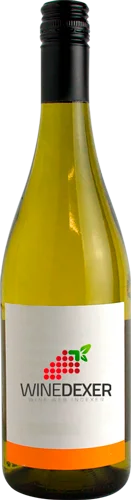
Château Saint-Amand
The winery offers 8 different wines
3.9


Note - 1Note - 1Note - 1Note - 1Note - 0
Its wines get an average rating of 3.9.
It is ranked in the top 89 of the estates of Bordeaux.
It is located in Sauternes in the region of Bordeaux

The Château Saint-Amand is one of the world's great estates. It offers 8 wines for sale in of Sauternes to come and discover on site or to buy online.
Top Château Saint-Amand wines

Looking for the best Château Saint-Amand wines in Sauternes among all the wines in the region? Check out our tops of the best red, white or effervescent Château Saint-Amand wines. Also find some food and wine pairings that may be suitable with the wines from this area. Learn more about the region and the Château Saint-Amand wines with technical and enological descriptions.

The top sweet wines of Château Saint-Amand

Food and wine pairings with a sweet wine of Château Saint-Amand

How Château Saint-Amand wines pair with each other generally quite well with dishes of fruity desserts or blue cheese such as recipes of yoghurt cake or mussels with roquefort cheese without wine.

Organoleptic analysis of sweet wines of Château Saint-Amand

On the nose the sweet wine of Château Saint-Amand. often reveals types of flavors of earth, apricot or honey and sometimes also flavors of tree fruit, citrus or apples. In the mouth the sweet wine of Château Saint-Amand. is a powerful with a good balance between acidity and sweetness.

The best vintages in the sweet wines of Château Saint-Amand

  • 1997With an average score of 4.21/5
  • 2001With an average score of 4.03/5
  • 2012With an average score of 3.85/5
  • 2011With an average score of 3.84/5
  • 2006With an average score of 3.80/5
  • 2009With an average score of 3.80/5

The grape varieties most used in the sweet wines of Château Saint-Amand.

  • Sauvignon Blanc
  • Sémillon

Discovering the wine region of Sauternes

Sauternes, 65 km South of Bordeaux, is a Village renowned for its high quality Sweet wines. Although some wineries produce Dry wines, they sell them under other appellations than Sauternes, which is specific to sweet wines. The village is surrounded on all sides by vineyards, the best of which produce some of the most prestigious, long-lasting and expensive dessert wines in the world. A half bottle of premium, aged Sauternes from a good Vintage can sell for over $1,000.

Classic Sauternes has a DeepGoldenColor (darker than most other dessert wines), which turns a deep amber color with bottle age. Its aromas include flower and stone fruit, with a hint of honeysuckle - the hallmark of botrytized wines. The best wines balance sweetness with acidity, concentration with freshness and power with elegance. Sauternes wines are primarily made from the Sémillon grape, which accounts for about eight out of every ten vines in the local vineyard.

Sauvignon Blanc accounts for most of the remaining vineyard and is the dominant grape in a small handful of Sauternes wines. Semillon forms a broad, well-structured base with aromas of beeswax and apricot, while Sauvignon Blanc contributes its characteristic herbal aromas and enough acidity to keep the resulting wine fresh rather than mouthwatering. These two varieties (sometimes supplemented by a small amount of Muscadelle and Sauvignon Gris) have become the preferred varieties here, not only because they are also used to make dry white Bordeaux wines, but also because of their susceptibility to a particular type of fungus, Botrytis cinerea (often just botrytis). Apart from yeast, without which the grape juice cannot ferment into wine, one would not expect a fungus to play a key role in winemaking.

The top red wines of Château Saint-Amand

Food and wine pairings with a red wine of Château Saint-Amand

How Château Saint-Amand wines pair with each other generally quite well with dishes of beef, veal or game (deer, venison) such as recipes of tanjia, orloff roast or prime rib with chervil butter.

The grape varieties most used in the red wines of Château Saint-Amand.

  • Cabernet Sauvignon
  • Cabernet Franc
  • Merlot

Discover the grape variety: Cabernet franc

Cabernet Franc is one of the oldest red grape varieties in Bordeaux. The Libourne region is its terroir where it develops best. The terroirs of Saint-Emilion and Fronsac allow it to mature and develop its best range of aromas. It is also the majority in many blends. The very famous Château Cheval Blanc, for example, uses 60% Cabernet Franc. The wines produced with Cabernet Franc are medium in colour with fine tannins and subtle aromas of small red fruits and spices. When blended with Merlot and Cabernet Sauvignon, it brings complexity and a bouquet of aromas to the wine. It produces fruity wines that can be drunk quite quickly, but whose great vintages can be kept for a long time. It is an earlier grape variety than Cabernet Sauvignon, which means that it is planted as far north as the Loire Valley. In Anjou, it is also used to make sweet rosé wines. Cabernet Franc is now used in some twenty countries in Europe and throughout the world.

Discover other wineries and winemakers neighboring the Château Saint-Amand

Planning a wine route in the of Sauternes? Here are the wineries to visit and the winemakers to meet during your trip in search of wines similar to Château Saint-Amand.

Discover the grape variety: Sauvignon blanc

Originally from Bordeaux, Sauvignon, or Sauvignon Blanc, is reputed to be one of the best French grape varieties for white wine. It is a white grape variety, not to be confused with Sauvignon Gris and its pale yellow color, or with Cabernet Sauvignon which produces red wines. Particularly famous thanks to Sancerre, Sauvignon Blanc is cultivated as far as New Zealand, where it produces great wines whose reputation is well established.