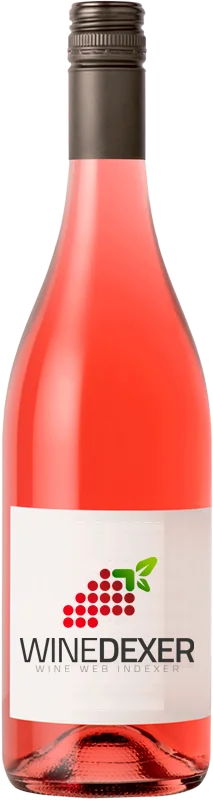
Winery AlexandrinAlex Rosé
 Pink wine
This wine generally goes well with vegetarian, appetizers and snacks or lean fish.

Food and wine pairings with Alex Rosé
Pairings that work perfectly with Alex Rosé



Original food and wine pairings with Alex Rosé


The Alex Rosé of Winery Alexandrin matches generally quite well with dishes of pasta, vegetarian or appetizers and snacks such as recipes of spaghetti bolognese, quiche without pastry, courgette and blue cheese or lupine seeds for kemia (the aperitif).
Details and technical informations about Winery Alexandrin's Alex Rosé.
Discover the grape variety: Brun argenté
Light, fruity reds with a clear ruby robe, smooth tannins and a supple palate, with simple aromas of red fruits (cherry, raspberry), soft spices and Mediterranean notes. Productive, accessible profile, best drunk young. Now marginal, preserved on a few heritage plots in Provence and occasionally contributing to southern red blends. French autochthonous variety from south-east Provence, a witness to ancient Provençal grape varieties.
Informations about the Winery Alexandrin
The Winery Alexandrin is one of wineries to follow in Terrasses du Larzac.. It offers 5 wines for sale in the of Terrasses du Larzac to come and discover on site or to buy online.

The wine region of Terrasses du Larzac
Flagship Languedoc AOC at the foot of the Larzac plateau (recognised 2014): signature Syrah, black Grenache and Mourvèdre trio in red kings (>=60%) with Carignan and Cinsault — ruby robe with violet glints and signature garrigue profile (laurel, thyme, juniper, heather), black fruits, spices and a floral touch, supple tannins and singular freshness, signature acidic tension, exceptional ageing. AOC reds only, varied soils (pebbles, basalts, sandstone, limestone).
The wine region of Languedoc-Roussillon
Largest single French vineyard, dominated by sunny, generous reds. Spicy Syrah, candied Grenache (ripe fruit, garrigue), structured Carignan, deep Mourvèdre, supple Cinsault. Stars: structured Corbières, Minervois, Faugères, Saint-Chinian; round Côtes-du-Roussillon. Legendary vins doux naturels: Banyuls and Maury (fortified Grenache) with notes of cocoa, fig, prune.
The word of the wine: Cuvée (champagne)
Juice harvested during the first pressing. The term "cuvée" is also used to describe the final blend of wines of a given quality. Tête de cuvée : the first juice to come out during the first pressing.






