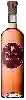
Winery Alexandre SirechLe Bordeaux Rosé
 Pink wine
This wine generally goes well with pork, poultry or veal.

Food and wine pairings with Le Bordeaux Rosé
Pairings that work perfectly with Le Bordeaux Rosé



Original food and wine pairings with Le Bordeaux Rosé


The Le Bordeaux Rosé of Winery Alexandre Sirech matches generally quite well with dishes of shellfish, vegetarian or poultry such as recipes of mussels with cream, light tuna-tomato quiche (without cream) or old-fashioned chicken in a pot.
Details and technical informations about Winery Alexandre Sirech's Le Bordeaux Rosé.
Discover the grape variety: Pinot noir
Elegant reds, light in colour with silky tannins, showing strawberry, cherry and raspberry aromas, evolving to forest floor, mushroom and spice with age. Fresh acidity, delicate finish. Star of the Côte d'Or (Romanée-Conti, Chambertin, Volnay), pillar of Champagne (Blanc de Noirs) and signature of Oregon, Central Otago and Sonoma Coast. An early-ripening Burgundian variety, one of the world's greatest.
Informations about the Winery Alexandre Sirech
The Winery Alexandre Sirech is one of of the world's great estates. It offers 24 wines for sale in the of Bordeaux to come and discover on site or to buy online.

The wine region of Bordeaux
World-renowned age-worthy reds, led by round Merlot (plum, black fruit) or firm Cabernet Sauvignon (blackcurrant, cedar, graphite), blended with Cabernet Franc and Petit Verdot for tannic structure. Structured Médoc and Graves, velvety Saint-Émilion and Pomerol. Also crisp dry whites (Sauvignon/Sémillon) and opulent sweet Sauternes with honey and candied fruit. A 110,000 ha Gironde vineyard, 65 appellations, cradle of the 1855 classified growths.
The word of the wine: Maturation
Transformation undergone by the grape when it is enriched with sugar and loses some of its acidity to reach maturity.