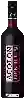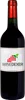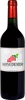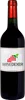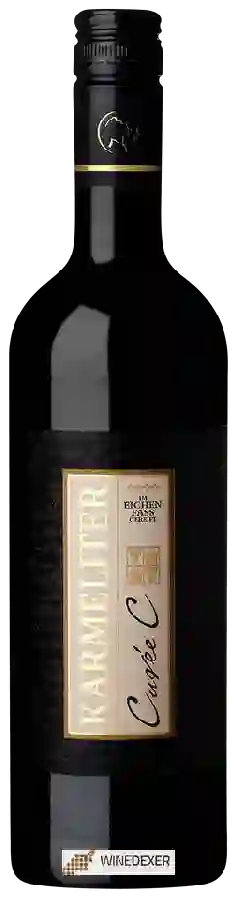
Winery Flein-TalheimKarmeliter Cuvée C Trocken
 Red wine



This wine is a blend of 4 varietals which are the Cabernet-Cubin, the Cabernet-Dorsa, the Cabernet-Sauvignon and the Riesling.
This wine generally goes well with pork, vegetarian or poultry.

Food and wine pairings with Karmeliter Cuvée C Trocken
Pairings that work perfectly with Karmeliter Cuvée C Trocken



Original food and wine pairings with Karmeliter Cuvée C Trocken



The Karmeliter Cuvée C Trocken of Winery Flein-Talheim matches generally quite well with dishes of beef, lamb or pork such as recipes of tanjia, grilled lamb shoulder with spices and honey or home-made coq au vin.
Details and technical informations about Winery Flein-Talheim's Karmeliter Cuvée C Trocken.
Discover the grape variety: Cabernet-Cubin
Intensely coloured and structured reds with an inky, near-black robe, firm tannins and a dense mouthfeel, with aromas of blackcurrant, blackberry, black cherry, plum, spices, black pepper and balsamic notes reminiscent of Cabernet Sauvignon. Grown mainly in Germany (Württemberg, Palatinate) for modern dry reds and tannic blends. A German hybrid created in 1970 at Weinsberg (Blaufränkisch × Cabernet Sauvignon), valued for its resistance and structure.
Last vintages of this wine
The best vintages of Karmeliter Cuvée C Trocken from Winery Flein-Talheim are 0, 2014
Informations about the Winery Flein-Talheim
The Winery Flein-Talheim is one of of the world's great estates. It offers 84 wines for sale in the of Württemberg to come and discover on site or to buy online.

The wine region of Württemberg
Rare predominantly red region in Germany (nearly 70%). Supple, fruity everyday reds: light, crisp Trollinger (Schiava) with red fruits, more structured, spicy, deep Lemberger (Blaufränkisch), generous Schwarzriesling (Pinot Meunier). Riesling king of whites (>2,000 ha), lively and mineral, citrus and green apple. Germany's 4th region (11,500 ha) on the Neckar slopes around Heilbronn and Stuttgart.
The word of the wine: Terroir
Strictly speaking, the notion of terroir corresponds to the geological characteristics of a vineyard. However, when we talk about terroir, we take into account the soil, the climate (even the microclimate), the flora, the fauna, and the human factor that characterizes the practices that make up the art of the craft.