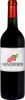
Winery FaniniMerlo + T
 Red wine


In the mouth this red wine is a .
This wine generally goes well with poultry, beef or veal.
Taste structure of the Merlo + T from the Winery Fanini
Light | Bold | |
Smooth | Tannic | |
Dry | Sweet | |
Soft | Acidic |
In the mouth the Merlo + T of Winery Fanini in the region of Umbria is a .
Food and wine pairings with Merlo + T
Pairings that work perfectly with Merlo + T



Original food and wine pairings with Merlo + T

The Merlo + T of Winery Fanini matches generally quite well with dishes of beef, pasta or veal such as recipes of monkfish tagine, pasta with mushroom sauce or paupiettes à la mérignicaise.
Details and technical informations about Winery Fanini's Merlo + T.
Discover the grape variety: Merlot
Merlot noir is a grape variety that originated in France (Bordeaux). It produces a variety of grape specially used for wine making. It is rare to find this grape to eat on our tables. This variety of grape is characterized by small to medium sized bunches, and medium sized grapes. Merlot noir can be found in many vineyards: South West, Languedoc & Roussillon, Cognac, Bordeaux, Loire Valley, Armagnac, Burgundy, Jura, Champagne, Rhone Valley, Beaujolais, Provence & Corsica, Savoie & Bugey.
Last vintages of this wine

The best vintages of Merlo + T from Winery Fanini are 2001, 2003, 0
Informations about the Winery Fanini
The Winery Fanini is one of of the world's greatest estates. It offers 7 wines for sale in the of Umbria to come and discover on site or to buy online.

The wine region of Umbria
Umbria, in CentralItaly, is a region of lush hills, hilltop villages and iconic historic towns. The latter are exemplified by Orvieto and Assisi. At the very heart of the Italian peninsula, it is surrounded by Tuscany, Marche and Lazio. It is in fact the only Italian region without a coastline or international border.
The word of the wine: Ancestral method
A method of making certain sparkling wines such as blanquette de Limoux, sparkling gaillac or clairette de Die, which consists of a second fermentation in the bottle based on natural sugars and yeasts naturally brought by the grapes (unlike the méthode champenoise, which requires the addition of tirage liquor).