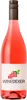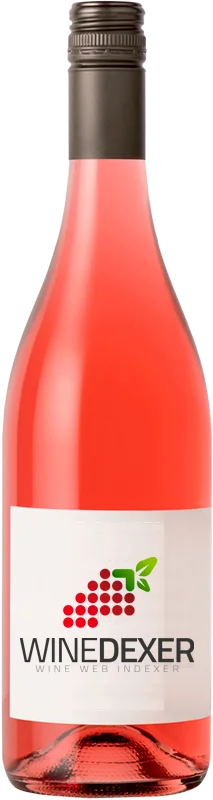
Winery EstandonChâteau de Fonscolombe Excellence Rosé
 Pink wine



In the mouth this pink wine is a with a nice freshness.
This wine generally goes well with pork, vegetarian or poultry.
Taste structure of the Château de Fonscolombe Excellence Rosé from the Winery Estandon
Light | Bold | |
Dry | Sweet | |
Soft | Acidic |
In the mouth the Château de Fonscolombe Excellence Rosé of Winery Estandon in the region of Provence is a with a nice freshness.
Food and wine pairings with Château de Fonscolombe Excellence Rosé
Pairings that work perfectly with Château de Fonscolombe Excellence Rosé



Original food and wine pairings with Château de Fonscolombe Excellence Rosé

The Château de Fonscolombe Excellence Rosé of Winery Estandon matches generally quite well with dishes of pork, shellfish or vegetarian such as recipes of rabbit socks in gibelotte, sublime fish and shrimp colombo or light tuna-tomato quiche (without cream).
Details and technical informations about Winery Estandon's Château de Fonscolombe Excellence Rosé.
Discover the grape variety: Bogdanusa
This grape variety was formerly cultivated in Croatia, more precisely on the island of Hvar in southern Dalmatia. In France, it is practically unknown.
Last vintages of this wine
The best vintages of Château de Fonscolombe Excellence Rosé from Winery Estandon are 2018
Informations about the Winery Estandon
The Winery Estandon is one of of the world's great estates. It offers 135 wines for sale in the of Provence to come and discover on site or to buy online.

The wine region of Provence
Provence is a wine region in the far southeast of France, best known for the quality (and quantity) of its rosé wines and for its Warm, mild Climate. The modernization that is taking place in many of the traditional wine regions of southern France has not yet taken place to the same extent in Provence, but there are Clear signs of change. The region's Grape varieties, in particular, have come under scrutiny in recent decades. Traditional varieties such as Carignan, Barbaroux (Barbarossa from Sardinia) and Calitor are being replaced by more commercially viable varieties such as Grenache, Syrah and even Cabernet Sauvignon.
The word of the wine: Breeding
It can last for several years. The bottles are stacked in the cellars and waited for the light and heat. The yeasts gradually give the wine compounds that enrich it. A long maturation is a guarantee of quality.