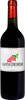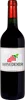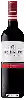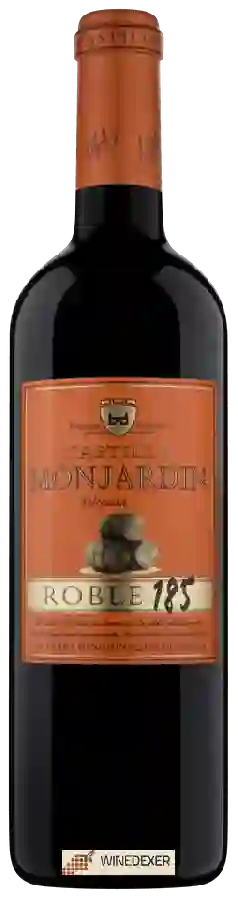
Winery Castillo de MonjardinRoble 185 Selección
 Red wine



In the mouth this red wine is a powerful.
This wine generally goes well with poultry, beef or veal.

Taste structure of the Roble 185 Selección from the Winery Castillo de Monjardin
Light | Bold | |
Smooth | Tannic | |
Dry | Sweet | |
Soft | Acidic |
In the mouth the Roble 185 Selección of Winery Castillo de Monjardin in the region of Navarre is a powerful.


Food and wine pairings with Roble 185 Selección
Pairings that work perfectly with Roble 185 Selección



Original food and wine pairings with Roble 185 Selección

The Roble 185 Selección of Winery Castillo de Monjardin matches generally quite well with dishes of beef, pasta or veal such as recipes of vegetable noddles, pasta with boursin or duck breast with pepper sauce.
Details and technical informations about Winery Castillo de Monjardin's Roble 185 Selección.
Discover the grape variety: Jaoumet
Light, simple fruity reds with a lightly coloured light ruby robe, silky tannins and an airy palate with moderate acidity, showing undemonstrative aromas of red fruits. Discreet, rustic profile. Almost extinct, preserved in INRAE varietal collections, bearing witness to the pre-phylloxera ampelographic diversity of the South-West and part of the heritage grapes being studied. Rare French black grape, formerly grown in the South-West.
Last vintages of this wine
The best vintages of Roble 185 Selección from Winery Castillo de Monjardin are 2018, 0, 2016
Informations about the Winery Castillo de Monjardin
The Winery Castillo de Monjardin is one of of the world's great estates. It offers 44 wines for sale in the of Navarre to come and discover on site or to buy online.

The wine region of Navarre
Spanish reference for great Garnacha rosés: raspberry-pink colour, notes of crushed strawberry, cherry, citrus and white flowers, dry and gourmet palate. The emblematic grape (~70% of reds in the past), also in supple, sun-filled reds. Tempranillo on the rise in modern blends, fine spicy Graciano, Cabernet and Merlot. Fresh Chardonnay and Viura whites.
The word of the wine: Chaptalization
The addition of sugar at the time of fermentation of the must, an ancient practice, but theorized by Jean-Antoine Chaptal at the dawn of the 19th century. The sugar is transformed into alcohol and allows the natural degree of the wine to be raised in a weak or cold year, or - more questionably - when the winegrower has a harvest that is too large to obtain good maturity.