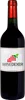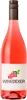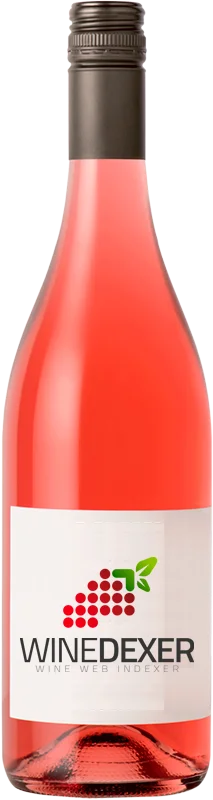
Winery EnricoRed Dragon Rosé
 Pink wine


This wine generally goes well with beef, game (deer, venison) or lamb.

Wine flavors and olphactive analysis


On the nose the Red Dragon Rosé of Winery Enrico in the region of British Columbia often reveals types of flavors of red fruit.
Food and wine pairings with Red Dragon Rosé
Pairings that work perfectly with Red Dragon Rosé



Original food and wine pairings with Red Dragon Rosé


The Red Dragon Rosé of Winery Enrico matches generally quite well with dishes of beef, lamb or game (deer, venison) such as recipes of german recipe for marinated meat: sauerbraten, leg of lamb with garlic and rosemary or rabbit with hunter's sauce.
Details and technical informations about Winery Enrico's Red Dragon Rosé.
Discover the grape variety: Merlot
Round and fleshy reds with a velvety texture, showing aromas of ripe plum, black cherry, cocoa and truffle notes with age. Supple tannins, generous alcohol, indulgent finish. Pillar of Libournais (Pomerol with Pétrus, Saint-Émilion with Cheval Blanc and Ausone) and signature of Super Tuscans, Italian Wales and Washington State. A cross of Cabernet Franc × Magdeleine Noire, France's most planted red variety.
Last vintages of this wine
The best vintages of Red Dragon Rosé from Winery Enrico are 0
Informations about the Winery Enrico
The Winery Enrico is one of of the world's great estates. It offers 14 wines for sale in the of British Columbia to come and discover on site or to buy online.

The wine region of British Columbia
Canada's west-coast benchmark, wine heartland in the Okanagan Valley. Semi-desert continental climate, marked temperature swings: signature Pinot Gris (pear, honey, spice, round palate), fresh, fine Pinot Noir (cherry, undergrowth), precise Chardonnay and taut Riesling in the north. Hot south for dense Cabernet Sauvignon, round Merlot and peppery Syrah. Also exceptional Icewine (Vidal, Riesling).
The word of the wine: Residual sugars
Sugars not transformed into alcohol and naturally present in the wine. The perception of residual sugars is conditioned by the acidity of the wine. The more acidic the wine is, the less sweet it will seem, given the same amount of sugar.