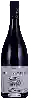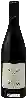
Winery El VinoMâcon
 Red wine


In the mouth this red wine is a with a nice freshness.
This wine generally goes well with poultry, beef or veal.

Taste structure of the Mâcon from the Winery El Vino
Light | Bold | |
Smooth | Tannic | |
Dry | Sweet | |
Soft | Acidic |
In the mouth the Mâcon of Winery El Vino in the region of Burgundy is a with a nice freshness.
Food and wine pairings with Mâcon
Pairings that work perfectly with Mâcon



Original food and wine pairings with Mâcon

The Mâcon of Winery El Vino matches generally quite well with dishes of beef, veal or game (deer, venison) such as recipes of cataplana with seafood, osso buco or venison stew.
Details and technical informations about Winery El Vino's Mâcon.
Discover the grape variety: Gringet
Elegant, taut dry whites and sparkling wines with a pale golden colour, a slender palate and crisp alpine acidity, showing refined aromas of citrus (lemon), white flowers (acacia), pear, dried fruits and limestone mineral notes. A crystalline mountain character. Star of Ayze AOC in the Arve valley in still and sparkling styles, rare artisan cuvées. Savoyard indigenous variety related to Jurassian Savagnin, synonym of Roussette d'Ayze.
Last vintages of this wine
The best vintages of Mâcon from Winery El Vino are 2010
Informations about the Winery El Vino
The Winery El Vino is one of of the world's greatest estates. It offers 5 wines for sale in the of Burgundy to come and discover on site or to buy online.

The wine region of Burgundy
Absolute reference for great terroir wines: opulent, mineral Chardonnay in whites (chiselled Chablis, buttery Meursault, majestic Montrachet), fine and silky Pinot Noir in reds (full-bodied Gevrey, structured Pommard, delicate Volnay). Exceptional age-worthy wines with complex notes - red fruits, undergrowth, butter, hazelnut. Some lively Aligoté and light Gamay (Mâconnais). 29,500 ha, 84 tiered AOCs (Régionale, Village, 1er Cru, Grand Cru), 1,247 UNESCO Climats.
The word of the wine: Full-bodied
A rich, concentrated wine that offers consistency in the mouth.