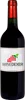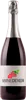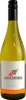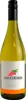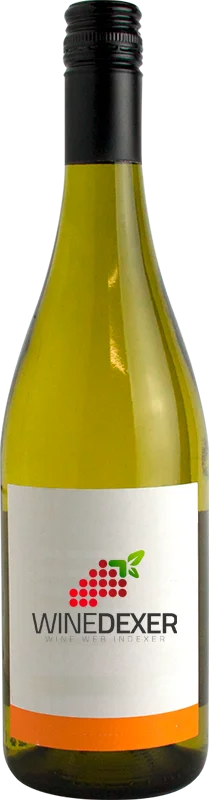
Winery Два Сердца - Two HeartsСовиньон - Мальвазия (Sauvignon - Malvasia)
 White wine


This wine generally goes well with pork, vegetarian or poultry.

Food and wine pairings with Совиньон - Мальвазия (Sauvignon - Malvasia)
Pairings that work perfectly with Совиньон - Мальвазия (Sauvignon - Malvasia)



Original food and wine pairings with Совиньон - Мальвазия (Sauvignon - Malvasia)



The Совиньон - Мальвазия (Sauvignon - Malvasia) of Winery Два Сердца - Two Hearts matches generally quite well with dishes of pork, rich fish (salmon, tuna etc) or shellfish such as recipes of caramelized pork ribs, skate wing with caper butter or easy seafood gratin.
Details and technical informations about Winery Два Сердца - Two Hearts's Совиньон - Мальвазия (Sauvignon - Malvasia).
Discover the grape variety: Perera
Lively and fruity dry whites with a pale golden robe, a supple palate with moderate acidity, showing signature aromas of white-fleshed fruits (pear, apple), white flowers and Venetian herbaceous notes. Also as taut and refreshing Charmat-method sparkling wines. Traditional component of Prosecco DOC and Conegliano Valdobbiadene Prosecco Superiore DOCG alongside Glera. Native white Italian grape from Veneto, grown in the province of Treviso.
Last vintages of this wine
The best vintages of Совиньон - Мальвазия (Sauvignon - Malvasia) from Winery Два Сердца - Two Hearts are 2017, 0
Informations about the Winery Два Сердца - Two Hearts
The Winery Два Сердца - Two Hearts is one of of the world's greatest estates. It offers 16 wines for sale in the of Кубань to come and discover on site or to buy online.

The wine region of Кубань
Russia's leading wine region (Krasnodar Krai) between the Black Sea and Sea of Azov, ~50% of Russian wine. Mediterranean to sub-tropical climate. Firm signature Cabernet Sauvignon with signature notes of cassis, blackberry, cedar and a spicy touch, structured tannins. Round Merlot (plum, cherry), dense Saperavi (black cherry, ink), native Krasnostop (blackberry, pepper).
The word of the wine: Flow
Action consisting of draining the wine from a vat of red wine (free-run wine), the marc then being pressed to obtain the press wine.