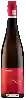
Winery Dr. HegerSpätburgunder Ihringer Winklerberg Spätlese Trocken
 Red wine



In the mouth this red wine is a with a nice freshness.
This wine generally goes well with poultry, beef or veal.
Taste structure of the Spätburgunder Ihringer Winklerberg Spätlese Trocken from the Winery Dr. Heger
Light | Bold | |
Smooth | Tannic | |
Dry | Sweet | |
Soft | Acidic |
In the mouth the Spätburgunder Ihringer Winklerberg Spätlese Trocken of Winery Dr. Heger in the region of Baden is a with a nice freshness.


Food and wine pairings with Spätburgunder Ihringer Winklerberg Spätlese Trocken
Pairings that work perfectly with Spätburgunder Ihringer Winklerberg Spätlese Trocken



Original food and wine pairings with Spätburgunder Ihringer Winklerberg Spätlese Trocken

The Spätburgunder Ihringer Winklerberg Spätlese Trocken of Winery Dr. Heger matches generally quite well with dishes of beef, veal or game (deer, venison) such as recipes of beef with panang curry (red curry), atriaux en sauce or rabbit with mustard, thyme and cream.
Details and technical informations about Winery Dr. Heger's Spätburgunder Ihringer Winklerberg Spätlese Trocken.
Discover the grape variety: Fel
Most likely from southwest France, found in Aveyron at Estaing and around Marcillac.
Last vintages of this wine
The best vintages of Spätburgunder Ihringer Winklerberg Spätlese Trocken from Winery Dr. Heger are 0
Informations about the Winery Dr. Heger
The Winery Dr. Heger is one of of the world's great estates. It offers 72 wines for sale in the of Baden to come and discover on site or to buy online.

The wine region of Baden
German capital of Pinot Noir (Spätburgunder): silky, fine reds with notes of red fruits, cherry, undergrowth and sweet spices, melted tannins. Round Grauburgunder (Pinot Gris), lively Weissburgunder, supple Müller-Thurgau, mineral Riesling. Germany's 3rd region (15,000 ha) in Baden-Württemberg facing Alsace, one of the country's warmest climates, volcanic soils at the Kaiserstuhl. Cradle of modern great German reds, elegant and fine.
The word of the wine: Stirring
In the traditional method, the operation aims to bring the deposits against the cork by the movement of the bottles placed on desks. The stirring can be manual or mechanical (using gyropalettes).