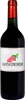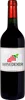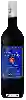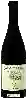
Domaine VinocérosCar Aimant
 Red wine
In the mouth this red wine is a powerful.
This wine generally goes well with poultry, beef or lamb.

Taste structure of the Car Aimant from the Domaine Vinocéros
Light | Bold | |
Smooth | Tannic | |
Dry | Sweet | |
Soft | Acidic |
In the mouth the Car Aimant of Domaine Vinocéros in the region of Languedoc-Roussillon is a powerful.
Food and wine pairings with Car Aimant
Pairings that work perfectly with Car Aimant



Original food and wine pairings with Car Aimant

The Car Aimant of Domaine Vinocéros matches generally quite well with dishes of beef, pasta or lamb such as recipes of spaghetti with beef balls, spaghetti with clams or lamb shoulder cooked for 5 hours.
Details and technical informations about Domaine Vinocéros's Car Aimant.
Discover the grape variety: Cariñena
Powerful, structured reds with a near-black inky color, firm tannins and a dense palate, offering intense aromas of ripe black fruits (blackberry, blackcurrant, plum), candied cherry, liquorice, spices, garrigue and balsamic notes. Fine cellaring potential, excelling in old vines on poor soils. Pillar of great Priorat DOQ, Montsant DO, Empordà DO reds and the signature of DO Cariñena (Aragón). Spanish name for carignan, a historic Mediterranean variety originating in Aragón.
Informations about the Domaine Vinocéros
The Domaine Vinocéros is one of of the world's great estates. It offers 19 wines for sale in the of Languedoc-Roussillon to come and discover on site or to buy online.

The wine region of Languedoc-Roussillon
Largest single French vineyard, dominated by sunny, generous reds. Spicy Syrah, candied Grenache (ripe fruit, garrigue), structured Carignan, deep Mourvèdre, supple Cinsault. Stars: structured Corbières, Minervois, Faugères, Saint-Chinian; round Côtes-du-Roussillon. Legendary vins doux naturels: Banyuls and Maury (fortified Grenache) with notes of cocoa, fig, prune.
The word of the wine: Yellow wine
White wines from the Jura region aged in oak barrels without topping up for at least 6 years. A veil of yeast forms on the surface of the wine, which undergoes slow oxidation, giving it a particular taste reminiscent of nuts.