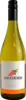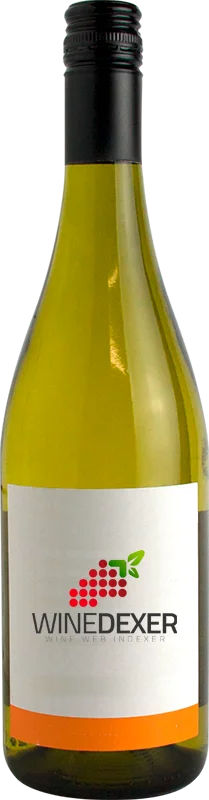
Winery Toro LocoOrgánico Superior Blanco
 White wine



This wine generally goes well with
The Orgánico Superior Blanco of the Winery Toro Loco is in the top 80 of wines of Utiel-Requena.

Wine flavors and olphactive analysis




On the nose the Orgánico Superior Blanco of Winery Toro Loco in the region of Valence often reveals types of flavors of non oak, earth or microbio and sometimes also flavors of oak, red fruit or black fruit.
Details and technical informations about Winery Toro Loco's Orgánico Superior Blanco.
Discover the grape variety: Arriloba
Fresh, fruity dry whites with a pale golden colour, supple palate and lively acidity, showing signature aromas of citrus (lemon), green apple, white flowers and herbaceous notes reminiscent of sauvignon. Thirst-quenching profile, best drunk young. Grown on small plots in south-west France (Béarn, Tursan), it contributes to local blends alongside gros manseng and baroque. French white variety obtained in 1956 (raffiat de Moncade × sauvignon).
Last vintages of this wine
The best vintages of Orgánico Superior Blanco from Winery Toro Loco are 2018, 2019, 0, 2017 and 2016.
Informations about the Winery Toro Loco
The Winery Toro Loco is one of of the world's greatest estates. It offers 24 wines for sale in the of Utiel-Requena to come and discover on site or to buy online.

The wine region of Utiel-Requena
DO in southeastern Spain, west of Valencia on a plateau at 750 m. Signature Bobal (80%, a native almost exclusive to here): dense, deeply coloured reds with signature notes of black cherry, blackberry, plum, wild herbs and a balsamic touch, firm tannins and lively acidity - old vines >40 years on over half the vineyard. Also spicy Tempranillo, round Garnacha, dense Cabernet Sauvignon. Saline rosés.
The wine region of Valence
Sunny Mediterranean Levant, sun-drenched accessible wines. Monastrell (Mourvèdre) star red in Alicante: fleshy and deep with black fruits, garrigue, leather and spice, firm tannins. Round, fruity Bobal from Utiel-Requena, supple Garnacha, juicy Tempranillo. Fresh whites: light Merseguera, aromatic Moscatel (fresh grape, flowers).
The word of the wine: VDQS
Delimited wine of superior quality. A level of appellation (today, barely 1% of French production) which constitutes the ultimate step before the accession to the AOC.