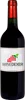
Winery Terrecarsiche 1939Negroamaro
 Red wine



In the mouth this red wine is a powerful.
This wine generally goes well with beef, lamb or pasta.

Taste structure of the Negroamaro from the Winery Terrecarsiche 1939
Light | Bold | |
Smooth | Tannic | |
Dry | Sweet | |
Soft | Acidic |
In the mouth the Negroamaro of Winery Terrecarsiche 1939 in the region of Puglia is a powerful.
Food and wine pairings with Negroamaro
Pairings that work perfectly with Negroamaro



Original food and wine pairings with Negroamaro
The Negroamaro of Winery Terrecarsiche 1939 matches generally quite well with dishes of beef, pasta or lamb such as recipes of beef with dark beer, shrimp marinade or lamb stew.
Details and technical informations about Winery Terrecarsiche 1939's Negroamaro.
Discover the grape variety: Pecorino
Structured, aromatic whites with firm acidity and an ample mouth, featuring aromas of citrus, yellow peach, aromatic herbs (sage, thyme), almond, white flowers and saline mineral notes. Fine length and ageing capacity. Star of Offida Pecorino DOCG in the Marche and Abruzzo Pecorino DOC, driving force behind the revival of great modern Adriatic whites. Native Italian grape rediscovered in the 1980s after near-disappearance.
Last vintages of this wine
The best vintages of Negroamaro from Winery Terrecarsiche 1939 are 1939, 0, 2014
Informations about the Winery Terrecarsiche 1939
The Winery Terrecarsiche 1939 is one of of the world's great estates. It offers 44 wines for sale in the of Puglia to come and discover on site or to buy online.

The wine region of Puglia
Heel of the boot, 80% red vineyard, sunny and generous. Fleshy, jammy Primitivo (= Zinfandel) with notes of black cherry, plum, chocolate and spices, powerful alcohol and melted tannins, a star in Primitivo di Manduria. Deep, structured Negroamaro (black-bitter) with a bitter finish in Salice Salentino. Structured Nero di Troia, spicy Susumaniello.
The word of the wine: Apogee
This period varies greatly depending on the type of wine and the vintage, and corresponds to the optimum quality of a wine. After the peak comes the decline.