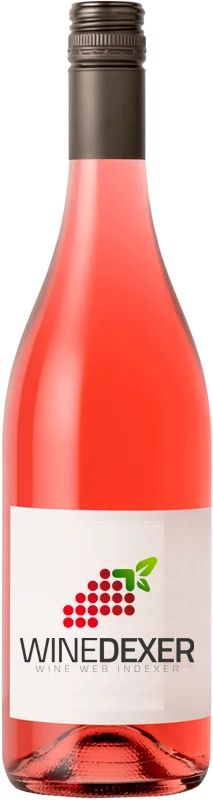
Domaine MontagneMaury Rosé
 Pink wine
This wine generally goes well with vegetarian, appetizers and snacks or lean fish.
Food and wine pairings with Maury Rosé
Pairings that work perfectly with Maury Rosé



Original food and wine pairings with Maury Rosé


The Maury Rosé of Domaine Montagne matches generally quite well with dishes such as recipes .
Details and technical informations about Domaine Montagne's Maury Rosé.
Discover the grape variety: Aglianico
A very old grape variety grown in Italy, some believe it to be of Greek origin. In France, it is practically unknown. It can be found in Australia, the United States (California), Argentina, etc. It should not be confused with Aglianicone, another grape variety grown in Italy, which is, however, very similar to Aglianico.
Informations about the Domaine Montagne
The Domaine Montagne is one of of the world's greatest estates. It offers 12 wines for sale in the of Maury to come and discover on site or to buy online.

The wine region of Maury
Maury is a town in the northern Roussillon region of southern France. Its name is best known as an appellation for the natural Sweet wines produced around the town, although in 2011 the separate AOC Maury Sec came into effect for Dry red wines, due to the recognition that a local wine industry based entirely on fortified wine was too narrowly focused. The natural sweet wines of Maury are mainly produced from the Grenache grapes (Grenache Noir, Grenache Blanc and Grenache Gris). They are produced in a style very similar to the sweet wines of Banyuls, 35 miles (57km) to the southeast, which also use Grenache.
The wine region of Languedoc-Roussillon
Languedoc (formerly Coteaux du Languedoc) is a key appellation used in the Languedoc-Roussillon wine region of southern France. It covers Dry table wines of all three colors (red, white and rosé) from the entire region, but leaves Sweet and Sparkling wines to other more specialized appellations. About 75% of all Languedoc wines are red, with the remaining 25% split roughly down the middle between whites and rosés. The appellation covers most of the Languedoc region and almost a third of all the vineyards in France.
The word of the wine: Girl
Equivalent of the Lyon pot with a capacity of 29 cl.