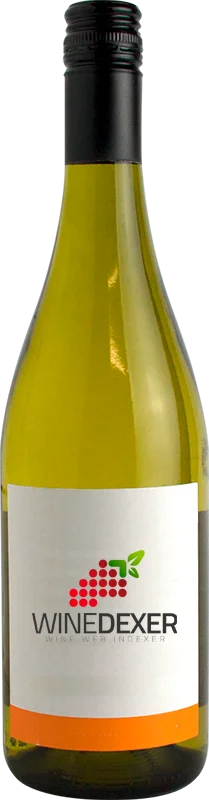
Domaine Mas du PontVignes d'Antan Blanc
 White wine
This wine generally goes well with vegetarian, poultry or lean fish.

Food and wine pairings with Vignes d'Antan Blanc
Pairings that work perfectly with Vignes d'Antan Blanc



Original food and wine pairings with Vignes d'Antan Blanc


The Vignes d'Antan Blanc of Domaine Mas du Pont matches generally quite well with dishes of pasta, vegetarian or poultry such as recipes of lasagna bolognese, tuna, pepper and tomato quiche or tunisian tagine.
Details and technical informations about Domaine Mas du Pont's Vignes d'Antan Blanc.
Discover the grape variety: Brun fourca
Light, fruity reds with a light ruby robe, silky tannins and an airy palate with preserved acidity, showing discreet signature aromas of red fruits and Provençal garrigue notes. Rustic, airy profile. Almost extinct, preserved in INRAE ampelographic collections and a few heritage plots in Provence, part of the ancient grapes of heritage value being studied. Native Provençal black grape, formerly grown in Provence.
Informations about the Domaine Mas du Pont
The Domaine Mas du Pont is one of of the world's great estates. It offers 14 wines for sale in the of Pays d'Oc to come and discover on site or to buy online.

The wine region of Pays d'Oc
The single-grape IGP par excellence: modern, accessible, frank and fruity wines, the popular signature of the Midi. Spicy Syrah reds (pepper, blackberry), round Merlot, structured Cabernet, generous Grenache, supple Cinsault. Crisp, tangy rosés. Opulent Chardonnay whites, lively Sauvignon, floral, apricoty Viognier.
The word of the wine: Trimming
A vineyard operation consisting of pruning the upper part of the branches after lifting, either manually or using a trimming machine attached to a high-clearance tractor.