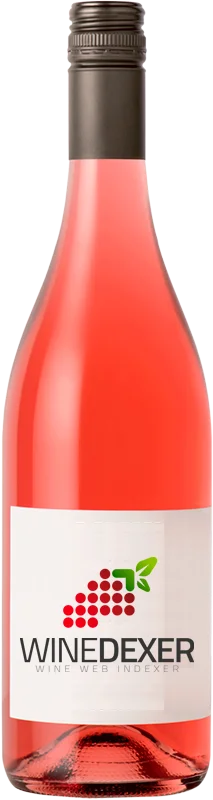
Domaine Marquise des MûresMétiss Rosé
 Pink wine
In the mouth this pink wine is a with a nice freshness.
This wine generally goes well with vegetarian, appetizers and snacks or lean fish.

Taste structure of the Métiss Rosé from the Domaine Marquise des Mûres
Light | Bold | |
Dry | Sweet | |
Soft | Acidic |
In the mouth the Métiss Rosé of Domaine Marquise des Mûres in the region of Languedoc-Roussillon is a with a nice freshness.
Food and wine pairings with Métiss Rosé
Pairings that work perfectly with Métiss Rosé



Original food and wine pairings with Métiss Rosé


The Métiss Rosé of Domaine Marquise des Mûres matches generally quite well with dishes of pasta, vegetarian or appetizers and snacks such as recipes of pasta with ham and tomato, quiche with bacon and gruyère cheese or preparation of the olives (black olives in brine).
Details and technical informations about Domaine Marquise des Mûres's Métiss Rosé.
Discover the grape variety: Terrano
Nervy, mineral reds with an intense violet-ruby robe, firm tannins and cutting acidity, showing aromas of red fruits (tart cherry, redcurrant), blackberry, wild herbs, iron and characteristic mineral notes of karst soils. Refreshing palate, saline finish. Star of Carso DOC (Friuli, Italy) and Kras (Slovenia) on the ferruginous red soils of the Adriatic plateau. Autochthonous Friulian-Slovenian variety, related to refosco.
Informations about the Domaine Marquise des Mûres
The Domaine Marquise des Mûres is one of of the world's greatest estates. It offers 9 wines for sale in the of Saint-Chinian to come and discover on site or to buy online.

The wine region of Saint-Chinian
Languedoc cru between Beziers and Saint-Pons, signature dual terroir. Fleshy Mediterranean reds with notes of black fruit (blackberry, black cherry), garrigue, pepper, liquorice and spice, firm tannins and a sun-drenched palate. Northern schists: fruitier, smokier profile. Southern clay-limestone: more structured wines.
The wine region of Languedoc-Roussillon
Largest single French vineyard, dominated by sunny, generous reds. Spicy Syrah, candied Grenache (ripe fruit, garrigue), structured Carignan, deep Mourvèdre, supple Cinsault. Stars: structured Corbières, Minervois, Faugères, Saint-Chinian; round Côtes-du-Roussillon. Legendary vins doux naturels: Banyuls and Maury (fortified Grenache) with notes of cocoa, fig, prune.
The word of the wine: VDQS
Delimited wine of superior quality. A level of appellation (today, barely 1% of French production) which constitutes the ultimate step before the accession to the AOC.